
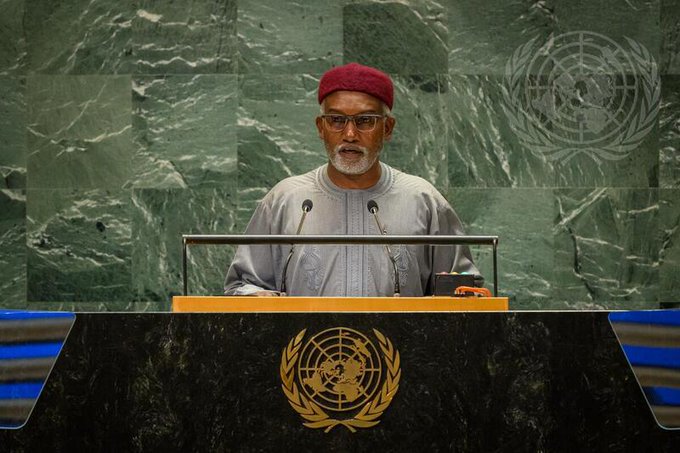
Nigeria’s Foreign Minister, Ambassador Yusuf Maitama Tuggar, has sparked a national conversation by strongly advocating for President Bola Ahmed Tinubu to embark on more international trips. Speaking during a live interview on Channels TV, the minister defended the president’s frequent travels, emphasizing their economic benefits and asserting that Nigeria has the resources to sustain them.
“Look at the benefits,” Tuggar remarked. “You travel once and secure $2 million worth of investments, as was achieved in Brazil. That deal focuses on developing Nigeria’s livestock sector, which can also address the ongoing herders-farmers crisis.”
The minister painted a vivid picture of the transformative potential of such deals. Highlighting Brazil’s advanced livestock sector, he said, “They slaughter 50 million chickens daily and rear cows twice the size of ours. This kind of partnership will revolutionize our agricultural economy.”
A Record of Costly Travel
President Tinubu’s foreign engagements, however, have drawn criticism due to their frequency and expense. Data from GovSpend, an analytics platform run by BudgIT Foundation, revealed that between February and July 2024 alone, the presidency spent over ₦2.3 billion on foreign trips and related expenses. This includes multiple payments for trips to countries like Brazil, Switzerland, and Ethiopia.
In one instance, the presidency allocated ₦350 million for travel expenses in a single month. The breakdown of spending also included foreign exchange purchases for key government figures such as Vice President Kashim Shettima and First Lady Remi Tinubu.
Critics argue that the president’s 30 publicized trips abroad since taking office have left pressing domestic issues unattended. Former Labour Party presidential candidate, Peter Obi, voiced this sentiment during a December 2024 address, stating, “President Tinubu has spent 180 days abroad in less than two years. It’s time to focus on visiting Nigerian states instead.”
Support for Foreign Diplomacy
Ambassador Tuggar, however, sees these trips as strategic investments. He believes the financial costs pale in comparison to the economic gains they bring. “How much does travelling cost compared to the benefits?” he asked during the interview, stressing that the returns justify the expenses.
The minister also linked international partnerships to solutions for local crises, including the contentious herders-farmers conflict that has plagued Nigeria for years. “Partnerships like the one with Brazil can improve our cattle breeds, boost agricultural productivity, and create peace in rural areas,” he explained.
A Divided Nation
Despite the government’s optimism, many Nigerians remain skeptical. Critics point to the presidency’s prioritization of foreign relations over domestic challenges, including insecurity, inflation, and power shortages. Public discontent was further fueled by the transparency issues surrounding the travel expenses. The data from GovSpend detailed how funds were repeatedly disbursed in lump sums, raising questions about accountability.
One activist, who spoke under anonymity, criticized the government’s approach. “Why is there so much spending on foreign trips when our hospitals are in shambles and students are sitting on floors in classrooms? These priorities are misplaced.”
Economic Prospects or Misguided Priorities?
Ambassador Tuggar’s defense of the president’s trips comes amidst debates about Nigeria’s economic outlook. Tinubu’s administration has touted its efforts to attract foreign investment, with deals aimed at revamping industries like agriculture, energy, and transportation. However, observers note that the benefits of these initiatives are yet to trickle down to the average Nigerian.
While speaking on Channels TV, Tuggar highlighted the president’s trip to Brazil as a major success story, citing the $2 million investment deal. He also alluded to potential partnerships with other countries to further Nigeria’s development goals. “Nigeria should be proactive in securing international deals that will bring transformative change to our economy,” he urged.
Peter Obi’s Counterargument
Peter Obi, however, remains unconvinced. He reiterated his belief that domestic engagement should take precedence over globetrotting. “We have pressing issues at home that need urgent attention. Infrastructure, education, and healthcare are crying for leadership,” Obi said in a statement.
Obi’s comments echo the frustration of many Nigerians who feel that the government is detached from their daily struggles. The former governor also suggested that the presidency should redirect its focus to addressing internal crises rather than chasing foreign endorsements.