
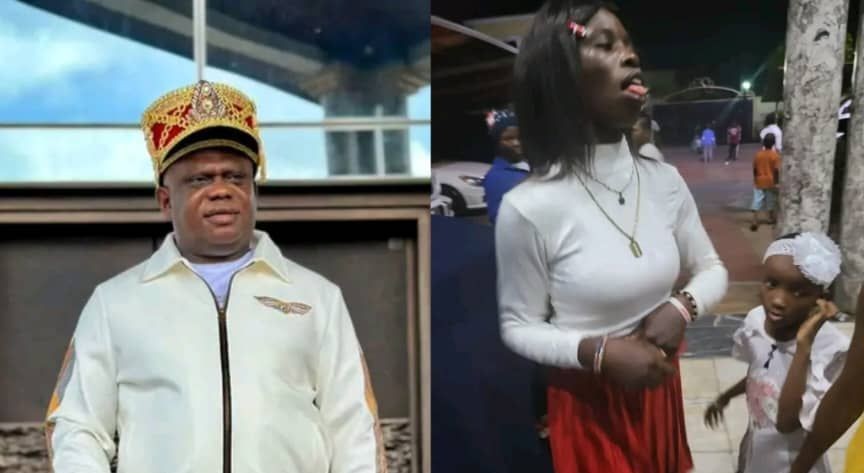
The founder of Omega Power Ministries (OPM), Chibuzor Chinyere, has stirred public discussion after announcing plans to arrange a marriage for one of his adopted daughters, a 21-year-old woman living with autism.
The young woman, identified as Chiemeka Chibuzor, is said to be able to speak and hear, despite her condition. In a Facebook post shared on Tuesday, the cleric said he was seeking a suitable husband for her and outlined a range of incentives to support the proposed union.
According to Chinyere, the arrangement is aimed at ensuring that the young woman lives a stable and happy life under proper care and protection.
“I am giving out another of my adopted daughters in marriage. Her name is Chiemeka Chibuzor. She is 21 years old and has autism. She can speak and hear well,” the pastor wrote.
He explained that any man interested in marrying her must meet certain conditions, including being young and physically and mentally fit. Beyond these requirements, the cleric promised significant benefits for whoever agrees to the marriage.
Among the incentives listed are lifetime financial support, free housing, and a property to be jointly owned by the couple. He also stated that officials from the church would make regular, unannounced visits to monitor the welfare of the woman and ensure that she is treated well.
“This arrangement is to ensure that she is properly cared for, protected, and lives a happy life,” he added.
The announcement has quickly attracted attention across social media and within the public space, with many Nigerians expressing different opinions about the plan.
While some supporters see the move as an act of kindness and responsibility toward a vulnerable person, others have raised concerns about the ethical implications, especially around consent and personal choice.
Autism is a developmental condition that affects communication, behaviour, and social interaction. Experts say that individuals with autism can live meaningful and independent lives, especially when they receive the right support and understanding.
However, they also stress that decisions about marriage must involve the full and clear consent of the individuals concerned. This has become a key point in the debate surrounding the pastor’s announcement.
This is not the first time Chinyere has been involved in arranging marriages for individuals with special needs. In March 2026, he organised the wedding of a non-verbal autistic man popularly known as “Aboy” to an older woman.
That event, which took place on March 29, drew widespread attention and sparked a similar debate. While some praised the pastor for helping a man who might otherwise struggle to find a partner, others questioned whether the arrangement respected the rights and dignity of the individuals involved.
Critics argued that such decisions should not be made without clear evidence that both parties fully understand and agree to the marriage.
Supporters of the pastor, however, have defended his actions, pointing to his long history of charitable work. Over the years, Chinyere has been known for supporting orphans, widows, and people with disabilities through his ministry.
Many believe that his intention is to provide long-term care and stability for those under his guardianship, especially in a society where social welfare systems are limited.
In Nigeria, families often play a major role in arranging or influencing marriages, particularly in traditional settings. However, modern views increasingly highlight personal choice and individual rights, especially in cases involving vulnerable groups.
The latest development has once again brought attention to the broader issue of how society supports people living with disabilities. Advocates say there is a need for stronger systems that promote inclusion, independence, and respect for human rights.
They argue that while care and protection are important, they should not come at the cost of personal freedom or dignity.
As reactions continue to pour in, some Nigerians have called for clearer guidelines on how such situations should be handled, especially when they involve public figures and vulnerable individuals.
Others have urged caution in judging the pastor’s actions, noting that cultural, religious, and personal beliefs often influence decisions about family and marriage.
For now, Chinyere has not announced any timeline for the proposed marriage or whether any potential suitors have come forward.
The situation highlights the complex balance between care, culture, and individual rights in Nigerian society. It also raises important questions about how best to support people living with conditions like autism in a way that respects their humanity and independence.