
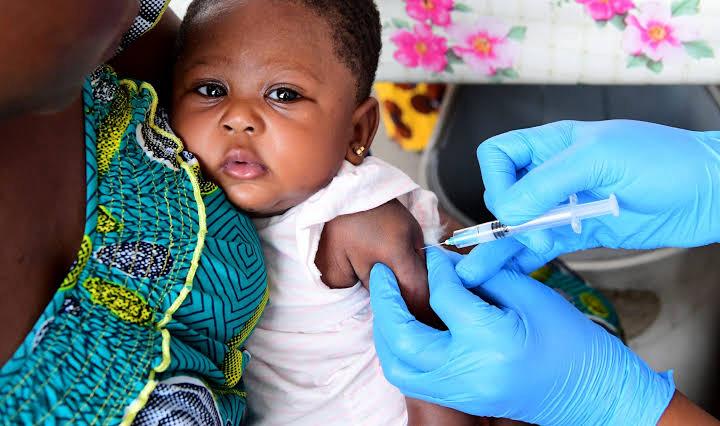
The World Health Organization (WHO) has said vaccines remain one of the most effective tools in saving lives, as the world marks this year’s World Immunisation Week from April 24 to April 30.
In a statement released on Friday, the global health body said vaccines have saved more than 150 million lives over the past 50 years. According to WHO, this achievement has been made possible by millions of people who chose to protect themselves, their children, and their communities from deadly diseases.
These diseases include measles, diphtheria, pertussis (whooping cough), polio, and rotavirus, which were once major causes of death, especially among children. Through widespread vaccination, many of these illnesses have been reduced or even eliminated in some parts of the world.
WHO said this year’s World Immunisation Week is focused on raising awareness about the benefits of vaccines at every stage of life. It also highlights scientific progress that has led to the development of vaccines against diseases such as malaria, human papillomavirus (HPV), cholera, dengue, meningitis, respiratory syncytial virus (RSV), Ebola, and mpox.
The campaign comes at an important time, as 2026 marks the midpoint of the global Immunisation Agenda 2030. This is a long-term plan led by WHO to ensure that everyone, regardless of where they live, has access to life-saving vaccines.
Despite progress, WHO warned that many countries are still falling behind in their vaccination targets. A new report reviewing the first five years of the agenda shows that although millions of deaths have been prevented, several challenges remain.
These challenges include the impact of the COVID-19 pandemic, conflicts in different parts of the world, climate-related disasters, and limited funding for health programmes. According to WHO, these issues have disrupted routine immunisation services in many countries, leaving millions of children unprotected.
The report also pointed to gaps in vaccine coverage, especially in low- and middle-income countries. In some areas, children are missing routine vaccines due to poor access to healthcare, lack of awareness, or logistical challenges.
To address these problems, WHO is calling on governments and global partners to renew their commitment to immunisation. It is urging countries to build stronger and more sustainable national vaccination programmes, and to integrate immunisation services into primary healthcare systems.
WHO also stressed the need for more funding and stronger collaboration among international health organisations to ensure that no one is left behind.
As part of efforts to close the vaccination gap, WHO, alongside the UNICEF and Gavi, has been running a major campaign known as “The Big Catch-up.”
The initiative was launched in 2023 to reach children who missed their routine vaccinations during the COVID-19 pandemic. Lockdowns, health system disruptions, and fear of visiting health facilities led to a sharp decline in immunisation rates during that period.
Since its launch, the campaign has reached an estimated 18.3 million children aged one to five years across 36 countries. These children either had not received any vaccines or had missed some of their doses.
In addition, the programme has delivered about 23 million doses of the inactivated polio vaccine to children who were not fully protected. This effort is seen as an important step toward the global goal of eradicating polio, a disease that still exists in a few parts of the world.
WHO said the campaign is on track to meet its target of vaccinating at least 21 million children. Health experts say reaching these children is critical to preventing outbreaks of diseases that can easily spread in communities with low immunity.
In Nigeria, immunisation remains a key public health priority. The country has made progress in recent years, particularly in reducing cases of polio through mass vaccination campaigns. However, challenges such as insecurity in some regions, vaccine hesitancy, and gaps in healthcare access continue to affect coverage.
Health officials in Nigeria have repeatedly stressed the importance of routine immunisation for children. Vaccines are often provided free of charge at government health centres, but some families still do not take advantage of these services.
WHO highlighted that vaccines not only protect individuals but also help prevent the spread of diseases within communities. When a large number of people are vaccinated, it creates what is known as herd immunity, which reduces the chances of outbreaks.
As World Immunisation Week continues, the message from global health leaders is clear: vaccines save lives, and efforts must be strengthened to ensure everyone benefits from them.
With millions of children still at risk of preventable diseases, the success of immunisation programmes will depend on strong political will, adequate funding, and community support.