
At least 69 people lost their lives in road accidents across Lagos in the first three months of 2026, raising fresh concerns about safety on one of the busiest road networks in the country.
The figure was disclosed by the Lagos State Traffic Management Authority, which also confirmed that 246 other persons suffered various degrees of injuries within the same period. The report highlights the continued dangers faced by road users in the commercial capital, where heavy traffic, reckless driving, and frequent violations remain major challenges.
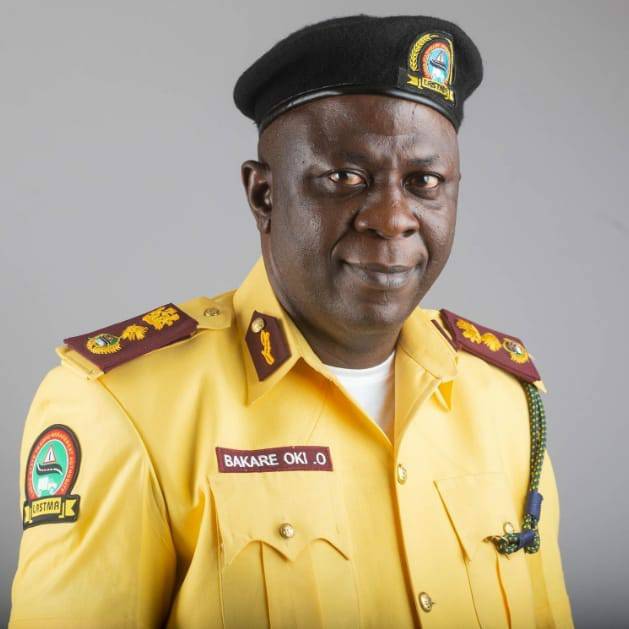
The General Manager of LASTMA, Olalekan Bakare-Oki, gave the update during an interview on Sunday. He said the agency responded to more than 600 accident scenes between January and March 2026 alone, showing the scale of road safety emergencies handled by traffic officials.
According to him, many of the accidents were linked to avoidable traffic offences, including speeding, wrongful overtaking, and disregard for traffic signals. He also noted that commercial drivers and operators of heavy-duty vehicles contributed significantly to the incidents recorded.
Bakare-Oki revealed that within the same period, LASTMA dealt with more than 900 violations involving trucks and articulated vehicles. These large vehicles, which are commonly seen on Lagos roads due to the state’s role as Nigeria’s commercial hub, have often been associated with serious and fatal crashes.
He explained that enforcement operations were intensified across the state to address the situation. Between January and March, LASTMA conducted about 4,900 physical patrol and intervention exercises across major highways, inner roads, and traffic hotspots.
In addition to physical patrols, the agency said it relied heavily on modern technology to monitor traffic activities. According to Bakare-Oki, automated systems recorded 17,942 traffic offences during the first quarter of the year.
He said the combination of human enforcement and technology was part of efforts to improve compliance with traffic laws and reduce road crashes in the state.
“LASTMA has zero tolerance for traffic infractions,” he said, stressing that offenders are not treated lightly. He explained that vehicles impounded for violations are usually taken before the Lagos State Mobile Court for quick prosecution.
Despite the high number of accidents and violations, Bakare-Oki said the agency recorded some improvements in traffic management during the period under review. He noted that response time to incidents had improved, and travel time for many road users had been reduced in certain parts of the state.
He attributed this improvement to a series of reforms introduced by the agency, including the overhaul of traffic equipment and the repositioning of recovery vehicles to strategic locations across Lagos. These measures, he said, helped LASTMA respond more quickly to accidents and breakdowns, which are common causes of traffic congestion.
Lagos, Nigeria’s most populated city, is known for its heavy traffic, especially during morning and evening peak hours. With millions of people commuting daily for work, business, and education, the road network is often under pressure. This has made traffic management a major concern for both the state government and residents.
Over the years, authorities have introduced several measures to improve road safety and ease movement. These include traffic laws, road monitoring systems, and public awareness campaigns. However, enforcement remains a key challenge due to the large number of vehicles and frequent disregard for traffic rules.
Bakare-Oki also highlighted ongoing efforts to strengthen the capacity of LASTMA personnel. He said the agency has begun plans to train over 1,000 officers as part of a broader strategy to improve service delivery and professionalism.
“We are planning to train over 1,000 personnel, and the process has already begun through both internal and external programmes,” he said.
According to him, the training will include engagement with consultants who will provide specialised instruction on traffic management, emergency response, and modern enforcement techniques. He added that more intensive capacity-building programmes would be introduced in the coming months.
“We have engaged consultants for specialised training, and in the coming months, we will intensify high-level capacity-building initiatives for all staff,” he said.
Road crashes remain one of the leading causes of death and injury in Nigeria, with urban centres like Lagos recording higher figures due to population density and traffic volume. Factors such as speeding, poor vehicle maintenance, drunk driving, and disregard for traffic rules are often cited as major causes.
Residents have continued to call on authorities to do more to improve safety on the roads. Some have also urged drivers, especially commercial operators, to exercise caution and obey traffic regulations to reduce accidents.
As Lagos continues to expand, experts warn that without sustained investment in road safety, infrastructure, and enforcement, the number of accidents could remain high.