
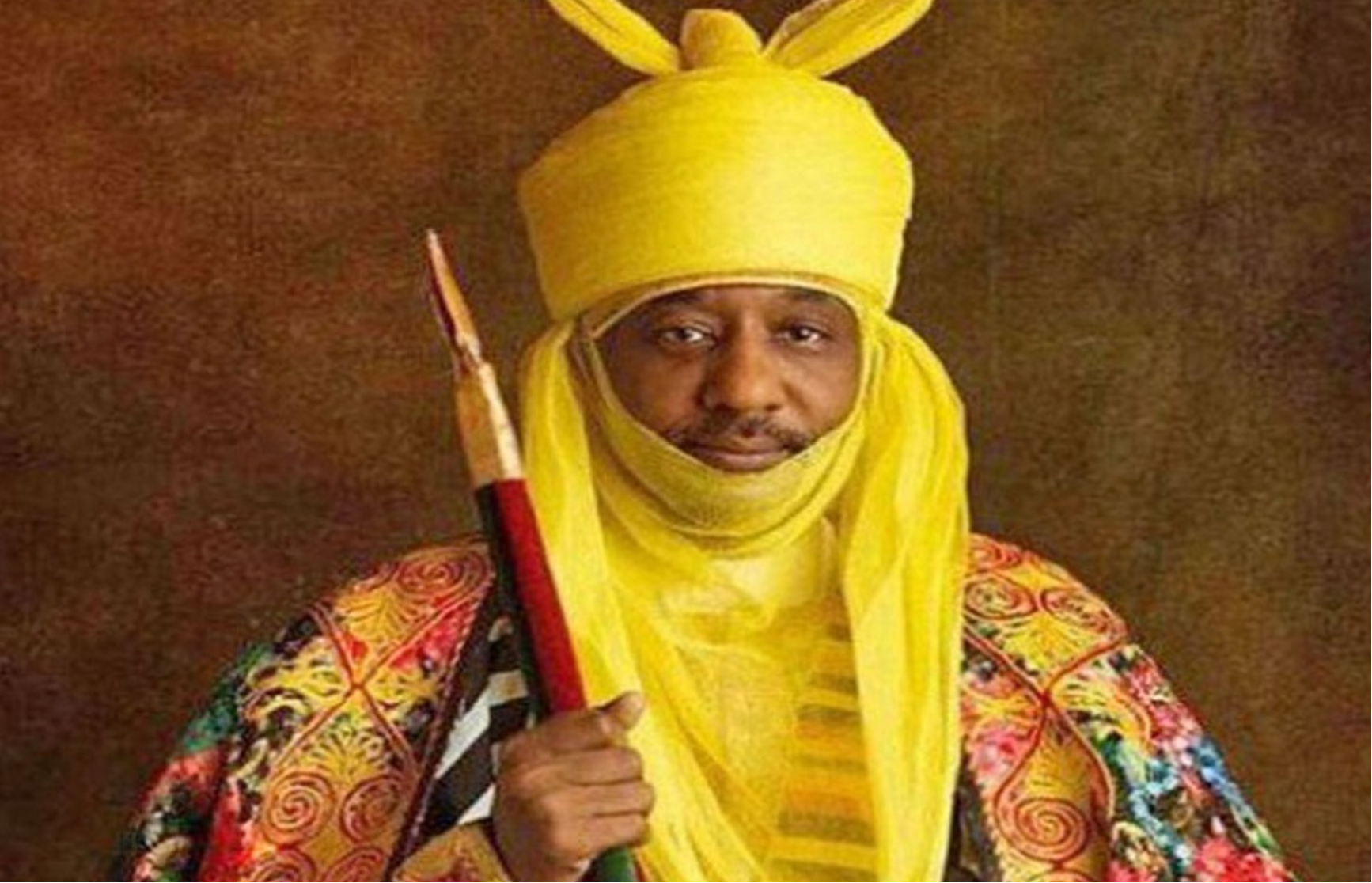
The Emir of Kano, Muhammadu Sanusi II, has called for urgent and sustained action to tackle poverty, inequality and social exclusion across North-West Nigeria, warning that millions of children and young people in the region face an uncertain future if governments fail to invest in their wellbeing.
Speaking at the High-Level North-West Policy Dialogue held in Kano, the former governor of the Central Bank of Nigeria said no child should be denied opportunities because of the circumstances of birth, poverty or family background.
Sanusi urged political leaders, policymakers, development partners and community stakeholders to move beyond speeches and promises and focus on practical measures that can improve the lives of ordinary people.
“The measure of any society is found in how it expands opportunity and protects the vulnerable. No child’s future should be foreclosed by the poverty of their birth,” the Emir said in his keynote address.
His remarks come at a time when many states in North-West Nigeria continue to battle high poverty rates, low school enrolment, poor healthcare access, unemployment and insecurity. Development experts have repeatedly identified the region as one of the areas most affected by social and economic challenges in the country.
Sanusi said poverty in the North-West remains deeply entrenched and is visible in many aspects of daily life, including poor educational outcomes, weak healthcare systems, child malnutrition and rising youth unemployment.
According to him, these challenges are interconnected and require long-term solutions rather than temporary interventions.
He warned that unless governments make deliberate investments in human development, future generations could face even greater hardship.
The Emir stressed that tackling poverty requires more than economic growth figures or political declarations. Instead, he said governments must demonstrate genuine commitment through policies, funding and effective implementation of programmes targeted at vulnerable groups.
He called on state governments across the region to establish long-term social investment frameworks that would guarantee sustained support for critical sectors.
Under the proposal, dedicated and protected budget allocations would be created for education, healthcare, social protection programs and youth development initiatives.
Sanusi argued that such budgetary commitments would help ensure continuity regardless of changes in political leadership.
He noted that many social programs often fail because they depend heavily on short-term funding or are abandoned when administrations change.
According to him, building a strong social investment system is essential for reducing poverty and creating opportunities for millions of people.
The Emir also proposed the introduction of a minimum social package that would guarantee access to basic services for citizens at different stages of life.
He said such a framework should cover support from early childhood through adulthood, ensuring that every citizen has access to essential healthcare, education and social welfare services.
A major part of Sanusi’s address focused on early childhood development, which he described as one of the most important investments any society can make.
He explained that the first years of a child’s life play a critical role in determining future educational achievement, health outcomes and overall wellbeing.
According to him, governments must increase investments in child nutrition, early learning opportunities and support for parents.
“What happens in those early years determines what a child becomes,” he said.
The Emir noted that children who suffer from poor nutrition, inadequate healthcare and limited access to early education often struggle throughout their lives.
He warned that neglecting children during these formative years could have long-term consequences not only for individuals but also for society as a whole.
Beyond early childhood development, Sanusi called for stronger programmes to address the growing number of out-of-school children in the region.
Northern Nigeria has for years recorded some of the highest numbers of out-of-school children in the country, a situation that has attracted concern from government agencies, development organisations and traditional leaders.
The Emir said improving access to education must remain a top priority for governments seeking to break the cycle of poverty.
He also advocated increased support for adult literacy programmes, arguing that education should not be limited to children alone.
According to him, many adults who missed educational opportunities earlier in life should be given another chance to acquire basic literacy and skills that can improve their economic prospects.
Sanusi further highlighted the importance of youth empowerment and skills development programs.
With unemployment and underemployment remaining major challenges across the region, he said governments should invest in vocational training, entrepreneurship support and other initiatives that can help young people become productive members of society.
He argued that providing youths with practical skills and economic opportunities would not only improve livelihoods but also contribute to social stability and economic growth.
The Emir also highlighted the role of traditional institutions in addressing development challenges.
He said traditional rulers and community leaders possess valuable knowledge of local communities and can play a key role in gathering accurate data, identifying vulnerable households and delivering social programs.
According to him, traditional institutions are often closer to the people than government agencies and therefore better positioned to understand local realities.
He urged governments to strengthen collaboration with traditional leaders to improve the effectiveness of development programs.
Another major issue raised by Sanusi was accountability and transparency in public spending.
He called on governments across the North-West to regularly publish the results of social investment programs and track progress through measurable indicators.
According to him, citizens deserve to know how public resources are being used and whether government interventions are producing the desired outcomes.
The Emir said regular monitoring and public reporting would help improve trust, encourage better performance and ensure that resources reach those who need them most.
He warned that without honest leadership, transparency and sustained commitment, efforts to reduce poverty may fail to achieve meaningful results.
Sanusi concluded by stressing that poverty is not inevitable and can be overcome through deliberate policy choices and investments in people.
He urged leaders across the North-West to act with urgency, warning that failure to address the region’s social and economic challenges would have serious consequences for future generations.
His message added to growing calls from experts, civil society groups and development partners for stronger action to address poverty and inequality in Nigeria, particularly in regions facing significant development challenges.
For many participants at the policy dialogue, the Emir’s address served as a reminder that sustainable development depends not only on economic growth but also on creating opportunities for the most vulnerable members of society.