
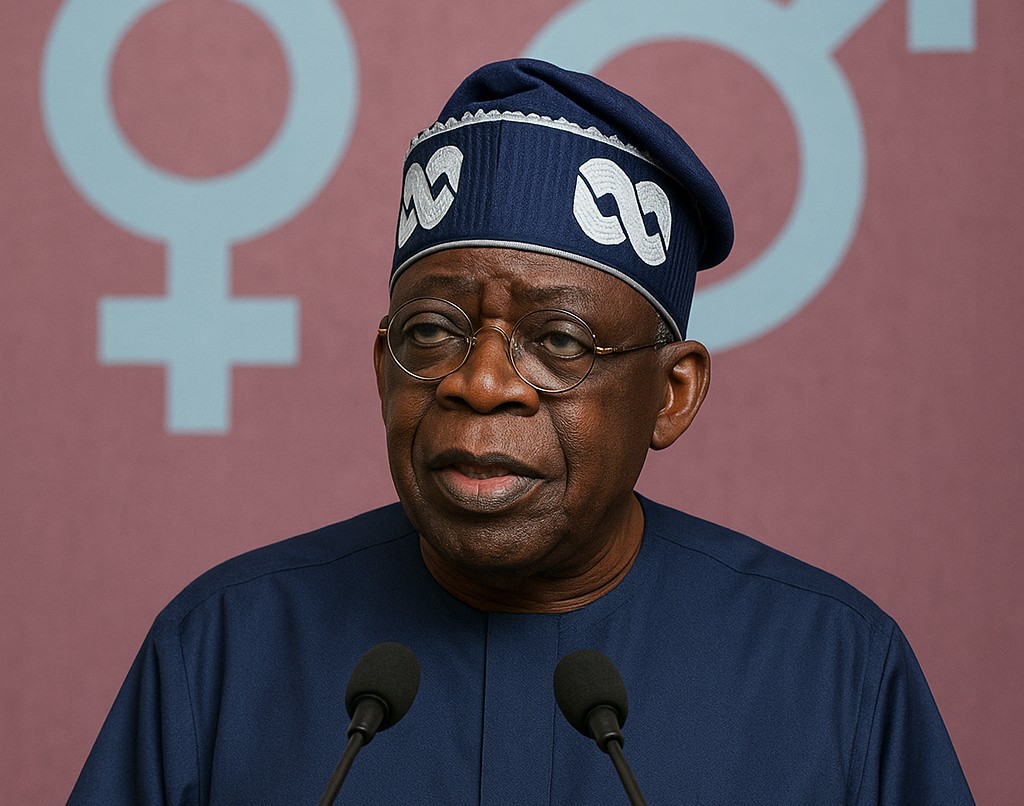
President Bola Ahmed Tinubu has announced plans to list the Nigerian National Petroleum Company Limited, NNPCL, on the Nigerian Exchange Limited, NGX, as part of ongoing reforms aimed at transforming the state-owned oil company into a more efficient and commercially driven organisation.
Tinubu disclosed this on Thursday when the management of the NGX visited him at the Presidential Villa in Abuja.
The President said the long-term goal of his administration was to reform NNPCL to the point where the entire company would become publicly listed on the Nigerian capital market.
He said the reform was part of broader efforts to reposition the oil and gas sector and attract more private-sector investment into the Nigerian economy.
“We will do NNPCL reforms to the extent that one day the totality of it, not just arms and legs, the totality of it, will be listed on NGX,” Tinubu said.
The President also said his administration wanted NNPCL to operate on a level comparable to Saudi Arabia’s national oil company, Saudi Aramco.
According to him, the target is to create a stronger, more efficient and commercially focused national oil company capable of competing with major energy companies around the world.
Tinubu said the reforms being implemented under the Petroleum Industry Act, PIA, would help to achieve this goal and create a better environment for investment in Nigeria’s oil and gas industry.
The President’s announcement comes as his administration continues to make changes in the country’s petroleum sector following the passage and implementation of the PIA.
The law, which was signed in 2021, was designed to overhaul the oil and gas industry, improve transparency, attract investment and clarify the roles of government institutions and commercial entities operating in the sector.
One of the major changes introduced by the law was the transformation of the former Nigerian National Petroleum Corporation, NNPC, from a government department into NNPCL, a commercial company.
The company was incorporated as a limited liability company in 2022, with the Federal Government as the initial shareholder.
The restructuring was intended to make the national oil company more commercially focused and allow it to operate more like other major oil companies.
Tinubu said the next stage of the reform would be to deepen the company’s commercialisation and eventually make its ownership more open through the Nigerian capital market.
Listing NNPCL on the NGX would allow investors to buy shares in the company and would potentially make its operations subject to greater scrutiny from shareholders and the capital market.
The move could also provide the company with access to additional capital for investment, depending on the structure and timing of any future listing.
However, a full listing of NNPCL would be a major step for the Federal Government because of the strategic importance of the company to Nigeria’s economy.
NNPCL remains a key player in the country’s oil and gas industry and is involved in activities across the petroleum value chain, including exploration, production, refining, gas development and the marketing of petroleum products.
The company also plays an important role in the management of Nigeria’s crude oil resources and government revenues from the petroleum sector.
Tinubu said the reforms would help make the company more accountable and commercially sustainable while allowing it to contribute more effectively to national economic growth.
The President also praised the performance of the Nigerian Exchange, saying the market had grown to a market capitalisation of about N158 trillion under his administration.
He attributed the development partly to the economic reforms being implemented by his government.
Tinubu has repeatedly called for increased investment by the private sector, arguing that government alone cannot provide the capital needed to expand Nigeria’s economy.
He said creating an environment where businesses can invest, grow and compete remained a major part of his economic agenda.
The President also referred to the Dangote Refinery as an example of the kind of private-sector investment he wants to encourage.
Tinubu said supporting large private investments was one of the reasons he backed the refinery project even before becoming President.
“We need to encourage the private sector to invest more in the economy. It’s one of the reasons I backed Dangote, even before I became president,” he said.
The Dangote Refinery, located in the Lekki area of Lagos, is designed to process crude oil into petrol, diesel, aviation fuel and other petroleum products for domestic and international markets.
The project has been presented by the Federal Government as an important development that could reduce Nigeria’s dependence on imported refined petroleum products.
The Tinubu administration has made the reform of the oil sector a major part of its economic programme.
The removal of the petrol subsidy in May 2023 was one of the first major decisions taken by the administration. The government said the policy was necessary to reduce pressure on public finances and redirect resources to other areas of the economy.
However, the policy has also contributed to higher living costs, with transport and food prices rising sharply after the removal of the subsidy.
The government has maintained that its broader reforms are intended to create a more productive economy and attract investment in the long term.
The planned listing of NNPCL would therefore represent another significant stage in the restructuring of the petroleum industry.
For the capital market, the potential listing of such a large and strategically important company could also increase the size and depth of the NGX.
It could attract local and foreign investors and provide Nigerians with an opportunity to own shares in a major national company.
The exact timing, structure and size of the proposed listing were not disclosed by the President.
Tinubu, however, made it clear that his administration’s objective was to reform NNPCL beyond partial changes to individual subsidiaries or business units.
He said the entire company should eventually be transformed into a commercially viable entity capable of operating at the level of leading global energy companies.
The President’s remarks are likely to generate further discussion among investors, economists and energy sector stakeholders about how the listing would be carried out and what level of government ownership would remain after the process.
For now, Tinubu said the government remained committed to implementing the Petroleum Industry Act and reforming NNPCL as part of efforts to strengthen Nigeria’s oil and gas sector.
He also urged investors to take advantage of the opportunities being created by the reforms and invest more in the Nigerian economy.
The President said stronger private-sector participation, deeper capital markets and commercially driven public companies would be important to Nigeria’s economic growth.
If eventually completed, the listing of NNPCL on the NGX would mark a major change in the ownership and management of Nigeria’s national oil company and could reshape the country’s oil industry for years to come.