
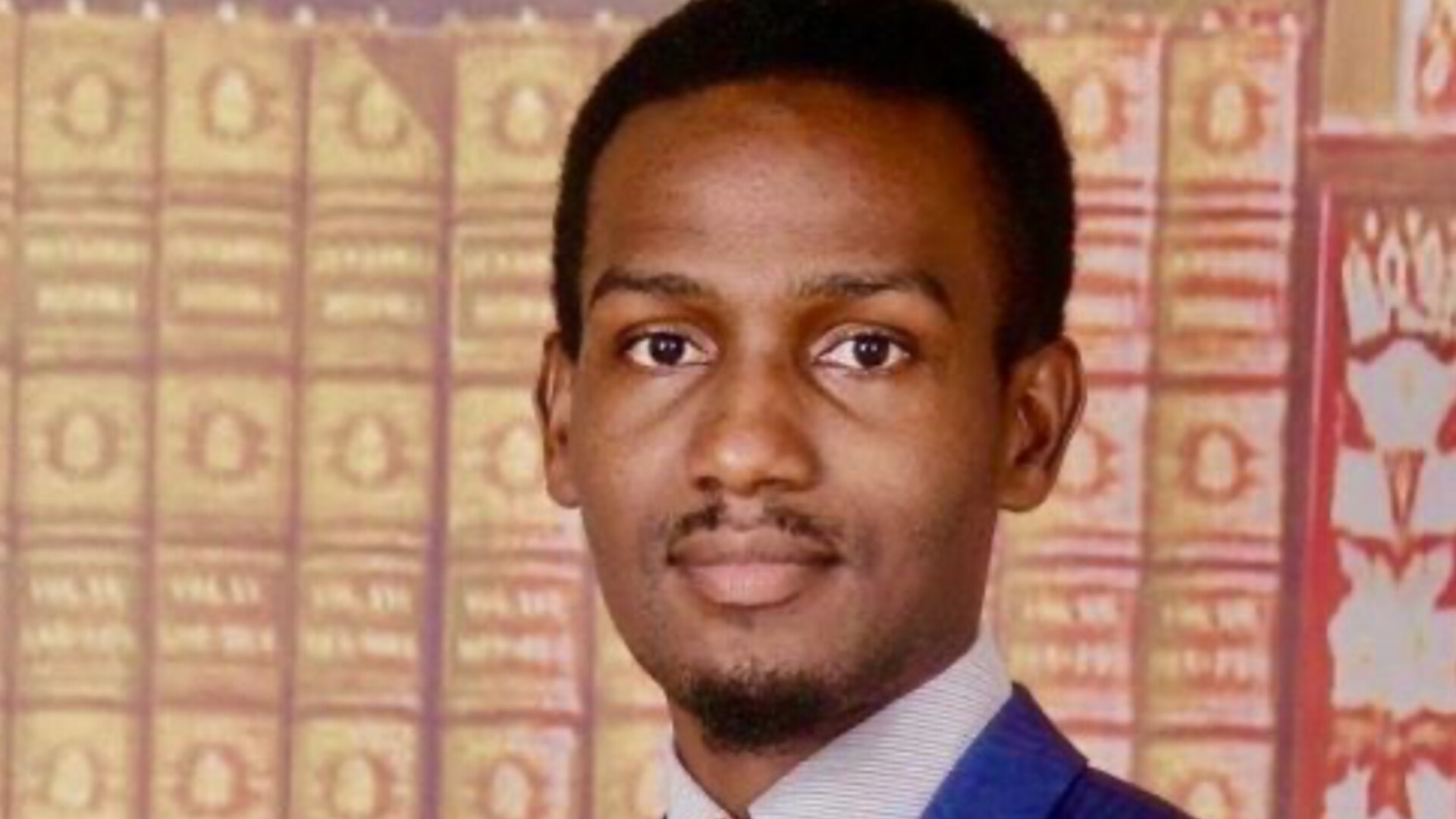
The Department of State Services (DSS) has reopened investigations into the 2019 disappearance of Abubakar Idris, popularly known as Dadiyata, and plans to invite suspects in connection with the case.
Dadiyata, a lecturer at the Federal University Dutsinma in Katsina State, was reportedly abducted by gunmen from his residence in Barnawa, Kaduna State, on August 2, 2019. Nearly seven years later, his whereabouts remain unknown, leaving his family and supporters in anxiety and uncertainty.
The renewed DSS probe coincides with a fresh appeal from Kadijah, Dadiyata’s wife, who expressed her worries over the prolonged disappearance of her husband. In a video interview released on Reno Omokri’s social media handle, X, Kadijah recounted the traumatic events surrounding her husband’s abduction and appealed to Nigerians to assist in finding him.
Kadijah, a mother of two, said in the video that she watched from her window as gunmen abducted her husband from their compound. She appealed for justice, stating, “We pray that one day, he will come back.”
She also addressed a 2019 social media comment that mocked Dadiyata. The post, reportedly made by the son of a former Kaduna State Governor, read:
“Those same clowns who encouraged him when he was creating false stories and capitalising on lies that could endanger lives solely for political ends are the same individuals trending hashtags asking, ‘#WhereisDadiyata.’ Dangerous lies in the public space have consequences.”
Kadijah expressed the emotional toll of the statement, saying, “I felt bad about it. I can’t even explain.”
In the interview, Omokri, who visited her residence to provide support, pledged to pursue justice for the family. He appealed to the Governor of Kaduna State, Uba Sani, to provide assistance, suggesting help with housing, education for the children, or employment for Kadijah, noting that “Nigeria owes a duty of care to this family for what has happened to them.”
The disappearance of Dadiyata resurfaced publicly on February 14, 2026, following comments by former Kaduna State Governor, Nasir El-Rufai. He stated that Dadiyata had been a critic not of the Kaduna State Government, but of the Kano State Government.
El-Rufai said, “It was Ganduje that was his problem. I didn’t even know him. We only got the report of Dadiyata’s existence and the fact that he lives in Kaduna State after the family reported to the police that he was abducted.”
He added that if any inquiry were to be made about Dadiyata’s disappearance, it should involve the Kano State Government, insisting that Kaduna had no connection to the incident.
Former Kano State Governor, Abdullahi Ganduje, also dismissed claims linking his administration to the case. In a statement released through his former Commissioner for Information and Internal Affairs, Muhammad Garba, Ganduje described the allegations as “reckless, unfounded, and a clear attempt to shift responsibility for an incident that occurred entirely within Kaduna State.”
Ganduje maintained that Dadiyata was well-known in Kaduna for his criticism of the state government, reinforcing that the case should not be tied to Kano politics.
The DSS has reportedly reopened the case and is set to invite key suspects for questioning, including El-Rufai’s sons. The decision to revisit the matter follows years of public attention and continued pressure from citizens and social media advocates for accountability.
Authorities have not disclosed the full details of the investigation, citing operational sensitivity. However, the move to invite suspects indicates a renewed commitment to solving the unresolved case.
Kadijah, speaking through Omokri, appealed for assistance from Nigerians, urging the public to help ascertain whether her husband is alive. She said, “They should please do whatever they can to help us know his whereabouts, if he’s alive or not.”
The family has endured years of uncertainty, compounded by social media speculation and conflicting statements from political figures. The renewed DSS investigation has sparked cautious optimism among supporters and human rights advocates who have called for transparency and prompt action.
Dadiyata’s abduction is part of a wider concern in Nigeria regarding safety for academics, commentators, and critics of government policy. Over the years, multiple cases of disappearances and threats to journalists and social media personalities have raised questions about accountability, law enforcement effectiveness, and protection of freedom of expression.
The Kaduna State Government, under both current and former administrations, has faced scrutiny over the handling of high-profile disappearances, emphasizing the need for cooperation with federal security agencies such as the DSS.
With the DSS actively inviting suspects, including politically connected individuals, there is hope for resolution in the case. Human rights organizations and advocacy groups are expected to closely monitor developments to ensure fairness and prevent political interference.
For Kadijah and her children, the reopening of the case offers a glimmer of hope that after nearly seven years, answers regarding Dadiyata’s fate may finally emerge.
As the investigation progresses, Nigerians are watching closely, calling for accountability, transparency, and justice for Dadiyata and other victims of abductions in the country.
The nation waits to see whether the reopening of the investigation will finally bring clarity to the enduring mystery surrounding the disappearance of Abubakar Idris, aka Dadiyata.