
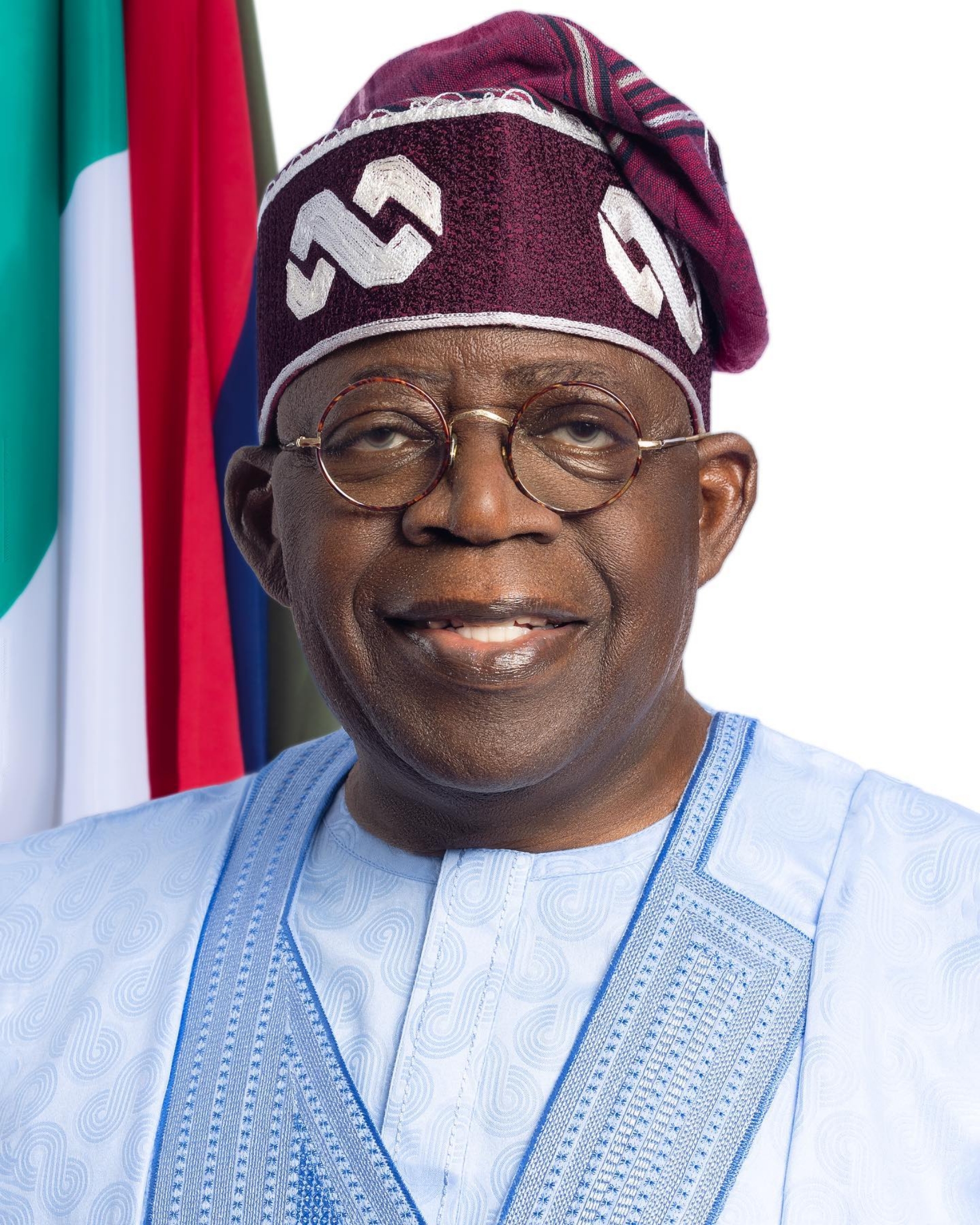
President Bola Ahmed Tinubu has welcomed the official launch of Lebara Nigeria, describing it as a strong sign of confidence in Nigeria’s digital economy and its future as a leading technology hub in Africa.
In a statement issued on Saturday by his Special Adviser on Information and Strategy, Mr Bayo Onanuga, the President congratulated the company on its entry into the Nigerian market. He said the milestone shows growing trust in Nigeria’s business environment, especially in the telecommunications sector, which continues to expand despite economic challenges.
“I congratulate Lebara Nigeria on its official launch. This milestone reflects confidence in Nigeria’s digital economy and underscores the nation’s potential to lead in technology and investment across Africa,” the President said.
Tinubu noted that telecommunications remains one of the strongest sectors of the Nigerian economy. According to him, the sector recorded a 5.78 per cent year-on-year growth in the third quarter of 2025 and contributes more than 14 per cent to the country’s Gross Domestic Product (GDP).
Industry analysts say this steady growth shows how important telecom services have become in everyday life. From mobile banking and online education to e-commerce and social media, millions of Nigerians rely on mobile networks and internet access to carry out daily activities. The sector has also attracted billions of dollars in local and foreign investment over the past two decades.
The President praised the leadership of Lebara Nigeria, especially its Chief Executive Officer, Mrs Teniola Stuffman, for working to expand access to telecom services and improve digital connectivity across the country. He said investments like this are important for job creation, innovation, and financial inclusion.
“Investments of this nature are critical to deepening financial inclusion, enabling innovation, and accelerating economic growth,” he added.
President Tinubu also acknowledged the role of the British High Commission in supporting the company’s launch. The Deputy High Commissioner, Mr Jonny Baxter, attended the Lagos event, highlighting the close economic and diplomatic ties between Nigeria and the United Kingdom.
The UK has remained one of Nigeria’s major trade and investment partners. Over the years, British companies have invested in sectors such as banking, oil and gas, retail, and telecommunications. Observers say the involvement of the UK government in Lebara’s entry into Nigeria sends a positive signal to other foreign investors considering opportunities in the country.
Lebara Nigeria formally signalled its entry into Africa’s largest telecom market during a private soft launch and networking reception held in Lagos. The event was organised in partnership with the UK’s Department for Business and Trade and the British High Commission.
The Lagos launch followed earlier groundwork by the company. In June last year, Lebara unveiled its dedicated 0724 number series and secured full interconnectivity with major mobile network operators in Nigeria. This step is required before a new telecom operator can begin full commercial operations, as it allows customers on different networks to connect easily.
Nigeria’s telecom market is currently dominated by major players such as MTN Nigeria, Airtel Nigeria, Globacom, and 9mobile. With over 200 million active mobile lines nationwide, competition in the sector is intense.
President Tinubu also recognised Otunba Bimbo Ashiru, Chairman of Lebara Nigeria’s Advisory Board, and other board members for their leadership and belief in Nigeria’s growth potential. He said initiatives like Lebara Nigeria contribute meaningfully to youth empowerment, enterprise development, and economic diversification.
Speaking at the launch event, Lebara Nigeria CEO, Mrs Teniola Stuffman, said the company’s decision to invest in Nigeria was based on the country’s strong human capital and growing digital needs.
“Nigeria stands at a defining moment, a nation of extraordinary talent, resilience, and ambition, yet millions require more inclusive, more affordable, more globally connected digital access. Our entry into the market is driven by this conviction,” she said.
Her comments reflect the reality that, while Nigeria has made progress in digital connectivity, many rural and low-income communities still lack reliable and affordable internet access. According to data from industry regulators, broadband penetration has improved in recent years, but gaps remain between urban and rural areas.
The Federal Government has repeatedly stated that digital transformation is a key part of its economic agenda. The Tinubu administration has promised to create a stable and transparent environment where private businesses can thrive. Officials say that improving digital infrastructure will support small businesses, attract foreign investment, and create jobs for young people.
Nigeria has one of the youngest populations in the world, with millions of tech-savvy youths who use smartphones daily. The growth of fintech, online retail, digital media, and remote work has increased demand for faster and more reliable internet services. This demand creates opportunities for telecom operators willing to invest in infrastructure and innovation.
President Tinubu reiterated his administration’s commitment to providing an investment-friendly climate. He said his government would continue to support policies that encourage innovation and private enterprise.
He also called for closer collaboration between the public and private sectors to advance Nigeria’s digital transformation agenda. According to him, partnerships between government and investors are necessary to bridge infrastructure gaps and ensure that digital services reach underserved communities.
Lebara’s entry into Nigeria comes at a time when the country is seeking to diversify its economy away from oil dependence. Over the years, oil revenue has faced fluctuations due to global price changes. As a result, policymakers have focused on sectors such as telecommunications, agriculture, manufacturing, and technology as alternative sources of growth.
Telecommunications has proven to be one of the most resilient sectors, even during economic downturns. During the COVID-19 pandemic, for example, demand for data services increased as schools, businesses, and government offices moved online.

