
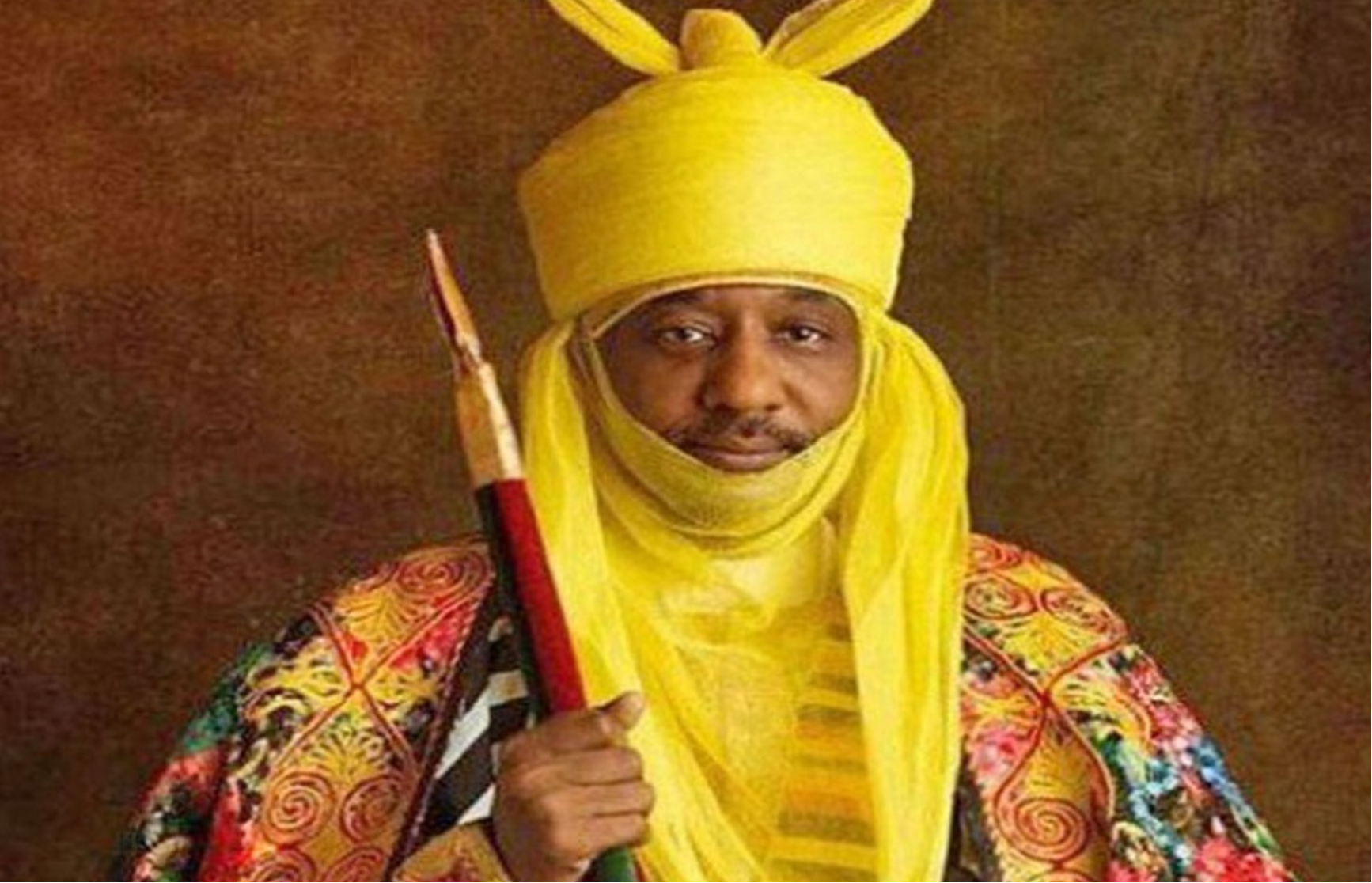
The Kano State Government has confirmed that the Emir of Kano, Muhammad Sanusi II, will lead this year’s Sallah Durbar, also known as Hawan Idi, as part of the Eid al-Fitr celebrations, amid heightened security measures across the state.
The announcement was made in a statement issued on Wednesday by the Commissioner for Information and Internal Affairs, Ibrahim Waiya. According to the statement, the government has received intelligence reports indicating possible attempts by some individuals to disrupt the peace during the festive period.
The statement explained that the decision to strengthen security arrangements was based on concerns raised during deliberations by the State Security Council. Authorities warned that any attempt to cause unrest or confusion during the celebrations would be met with firm action.
“Kano State Government has received credible intelligence suggesting that certain individuals are planning to create tension and disturb public order during the Eid celebrations,” the statement said.
Despite the security concerns, the government reaffirmed its commitment to preserving the state’s rich cultural heritage, particularly the traditional Durbar festival, which remains one of the most important highlights of Sallah celebrations in Kano.
The Durbar, a centuries-old tradition in northern Nigeria, is a colourful display of culture that features the Emir and his entourage riding on decorated horses through major parts of the city. It usually attracts large crowds, including residents, tourists, and dignitaries.
This year, the main Hawan Idi procession will be led by Emir Sanusi II. The route, according to the government, will begin from the Kofar Mata Eid Praying Ground and pass through designated areas before ending at the Kano Emir’s Palace.
Officials said the Emir’s participation underscores the importance of the event and its role in promoting unity and cultural identity in the state.
However, in response to the security situation, the government has introduced several changes to the usual Durbar activities. While the Hawan Idi procession will take place, other traditional events have either been modified or suspended.
For instance, Hawan Nasarawa will hold in a limited format without horseback riding, while other processions such as Hawan Daushe, Hawan Fanisau, and Hawan Dorayi have been suspended entirely for this year.
Authorities said these decisions were taken in the interest of public safety and to prevent any possible breakdown of law and order.
“All security agencies have been directed to intensify surveillance and ensure strict compliance with the new guidelines,” the statement added. “They are to take all necessary lawful measures to maintain peace before, during, and after the celebrations.”
Residents of Kano have also been urged to remain calm and cooperate with security agencies. The government warned against the spread of rumours or unverified information, which could increase tension in the state.
The call for caution comes at a time when security remains a key concern in many parts of Nigeria. In recent years, northern states have faced various challenges, including communal clashes, banditry, and other forms of unrest.
Kano, one of the most populous states in the country, has generally remained peaceful, but authorities say proactive measures are necessary to sustain stability, especially during major public events like the Durbar.
Governor Abba Kabir Yusuf, through the statement, reiterated his administration’s commitment to ensuring a safe and peaceful environment for all residents.
He noted that while cultural traditions are important, the safety of lives and property must always come first.
The Durbar festival itself has deep historical roots in Kano and other parts of northern Nigeria. It dates back to pre-colonial times and was originally used to display the strength and organisation of the Emir’s cavalry.
Today, it has evolved into a major cultural event that celebrates heritage, religion, and community spirit. During Eid, the Durbar is often one of the most anticipated activities, drawing people from across Nigeria and beyond.
However, the large crowds associated with the event also make it a potential target for security threats, which is why authorities often put special measures in place.
The government expressed confidence that with the cooperation of residents and the efforts of security personnel, this year’s Eid celebrations would be peaceful and successful.
For many residents, the Durbar is more than just a festival; it is a symbol of identity and pride. The sight of the Emir in full regalia, surrounded by traditional title holders and horsemen, is a powerful reminder of Kano’s rich history.
As preparations continue, there is a mix of excitement and caution among residents. While many look forward to celebrating Eid and witnessing the Durbar, others are mindful of the need to stay alert and follow safety guidelines.
Religious leaders have also joined in calling for peace, urging Muslims to use the occasion of Eid to promote unity, tolerance, and goodwill.
As Kano prepares for the Sallah celebrations, all eyes will be on how the state balances tradition with security. The decision to allow the Durbar to proceed, even in a modified form, reflects the importance of the event while also recognising the realities of the current security situation.