
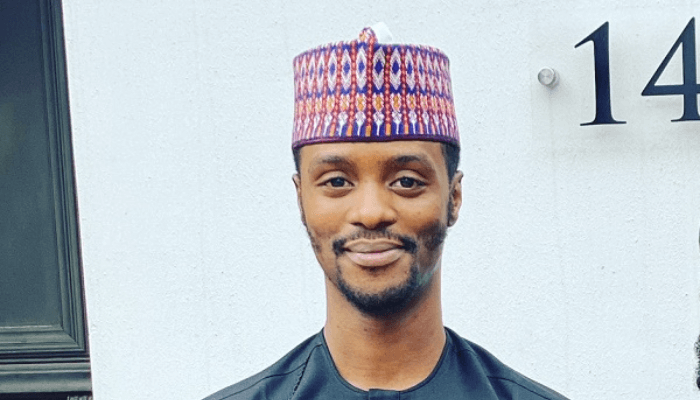
Bashir El-Rufai has publicly apologized to Nigeria’s Vice President, Kashim Shettima, over a past social media post in which he described the senior government official as “spineless.”
In a brief statement shared online, Bashir said he regretted the comment and acknowledged that it was inappropriate. He also expressed respect and admiration for the Vice President, describing his earlier remark as a mistake.
“I want to use this medium to personally apologise to the Vice-President of Nigeria, His Excellency Sir Kashim Shettima, for my old post referring to his person as spineless. He is someone I greatly admire and respect. It was a reckless tweet,” he wrote.
The apology has drawn attention across Nigeria’s political and social space, especially given the growing influence of social media in shaping public opinion and political discourse in the country.
Bashir El-Rufai is the son of Nasir El-Rufai, a prominent political figure who served as governor of Kaduna State from 2015 to 2023. Over the years, Bashir has built a following online, where he often shares views on politics and national issues. His posts have sometimes generated controversy, reflecting the broader trend of outspoken commentary by young Nigerians on digital platforms.
On the other hand, Vice President Kashim Shettima is a key figure in Nigeria’s current administration. Before becoming Vice President in 2023, he served as governor of Borno State from 2011 to 2019 and later as a senator. He is widely known for his role in managing the security challenges in the North-East during his time as governor, particularly during the height of the Boko Haram insurgency.
In Nigeria, platforms such as Twitter, Facebook, and Instagram play a major role in political communication. Politicians, government officials, and citizens alike use these platforms to share opinions, respond to national issues, and engage with the public.
However, the speed and reach of social media also mean that statements made in the past can resurface and attract fresh attention. This has led to increased calls for accountability and caution, especially among public figures.
The apology by Bashir El-Rufai has sparked mixed reactions online. While some Nigerians have welcomed the move as a sign of maturity and responsibility, others have questioned the timing of the apology and whether it was influenced by political considerations.
Some commentators argue that such apologies are necessary to promote unity and respect, particularly in a country with diverse political views and strong opinions. Others believe that public figures should be more careful from the start to avoid making statements they may later regret.
There has been no official response from Vice President Kashim Shettima at the time of filing this report. However, it is common in Nigerian politics for such matters to be resolved quietly without prolonged public exchanges.
The development also highlights the broader issue of accountability in the digital age. With more Nigerians actively participating in online discussions, there is increasing awareness of the impact words can have on individuals and society.
As Nigeria continues to navigate its democratic journey, the role of respectful dialogue remains important. While disagreements are expected in any political system, many believe that maintaining civility is key to building trust and promoting national unity.