
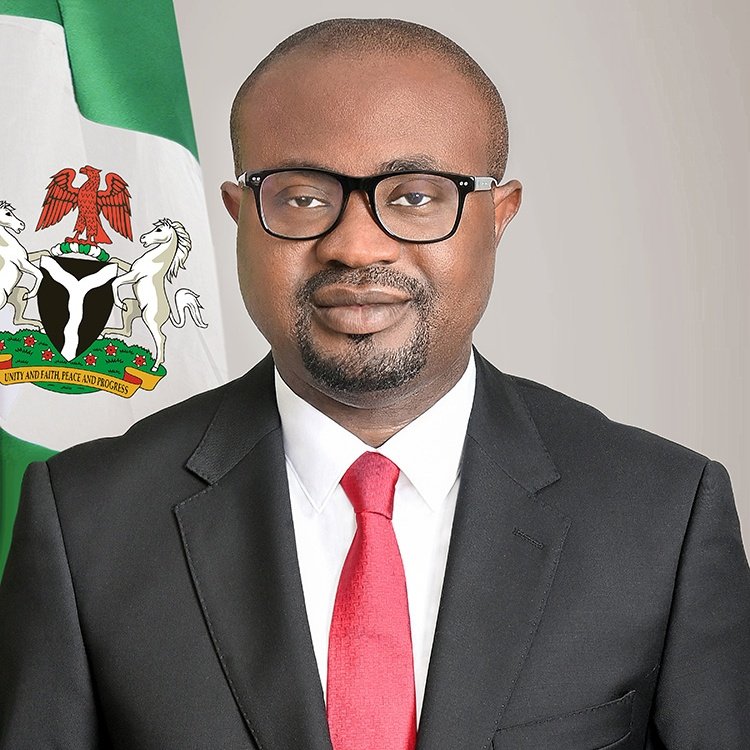
The Federal Government has declared Friday, May 1, 2026, a public holiday to mark this year’s International Workers’ Day, also known as May Day. The announcement was made by the Minister of Interior, Olubunmi Tunji-Ojo, on behalf of the government.
The declaration was contained in a statement issued by the Permanent Secretary of the Ministry of Interior, Magdalene Ajani, who conveyed the minister’s message to Nigerians. In the statement, the government congratulated workers across the country for their role in national development and commended their resilience in the face of economic and social challenges.
International Workers’ Day is observed every year on May 1 in many countries around the world. It is a day set aside to recognise the contributions of workers and to promote the protection of labour rights. In Nigeria, the day is usually marked by rallies organised by labour unions, including the Nigeria Labour Congress and the Trade Union Congress of Nigeria, where workers gather to celebrate their achievements and present demands to the government.
Over the years, Workers’ Day in Nigeria has also served as a platform for addressing key labour issues such as minimum wage, working conditions, job security, and welfare. Labour leaders often use the occasion to call for policies that will improve the standard of living for workers, especially in a period of rising inflation and economic uncertainty.
In his message, Tunji-Ojo praised Nigerian workers for their dedication, discipline, and commitment to duty. He noted that the efforts of workers across different sectors remain essential to the country’s growth and stability. From civil servants and healthcare professionals to teachers, artisans, and private sector employees, he said the contributions of workers cannot be overlooked.
“He encouraged workers to embrace patriotism, productivity, and dedication to their duties. These qualities are crucial for sustainable development,” the statement said.
The minister also reaffirmed the commitment of the administration of President Bola Ahmed Tinubu to improving the welfare and security of Nigerian workers. According to him, the government is working to create an environment that supports economic growth, job creation, and better living conditions.
In recent times, workers in Nigeria have faced several challenges, including rising cost of living, fluctuating fuel prices, and concerns over wages. These issues have led to negotiations and, at times, disagreements between labour unions and the government. Despite these challenges, many workers have continued to carry out their duties, contributing to the functioning of the economy.
Tunji-Ojo urged Nigerians to use the occasion to reflect on the importance of unity and hard work in nation-building. He also called on citizens to remain peaceful and law-abiding during the celebrations, stressing the need for order and cooperation.
Workers’ Day celebrations in Nigeria are usually colourful, with marches, speeches, and cultural displays taking place in major cities such as Abuja, Lagos, and Port Harcourt. Government officials, labour leaders, and representatives of the private sector often attend these events, where they address workers and outline plans for the future.
The theme for this year’s celebration is expected to focus on strengthening the workforce and promoting economic resilience, although labour unions are yet to make a formal announcement. Past themes have addressed issues such as social justice, fair wages, and the impact of economic reforms on workers.
Globally, Workers’ Day has its roots in the labour movement of the late 19th century, particularly the struggle for an eight-hour workday. Today, it is recognised as a symbol of workers’ rights and solidarity across different countries and industries.
In Nigeria, the observance of May Day dates back several decades and remains an important event on the national calendar. It highlights the role of workers as key drivers of development and underscores the need for policies that protect their interests.
As the country marks this year’s Workers’ Day, attention is expected to focus on ongoing discussions around wages, employment opportunities, and economic reforms. Many Nigerians will be watching closely to see how the government and labour unions continue to engage on these critical issues.