
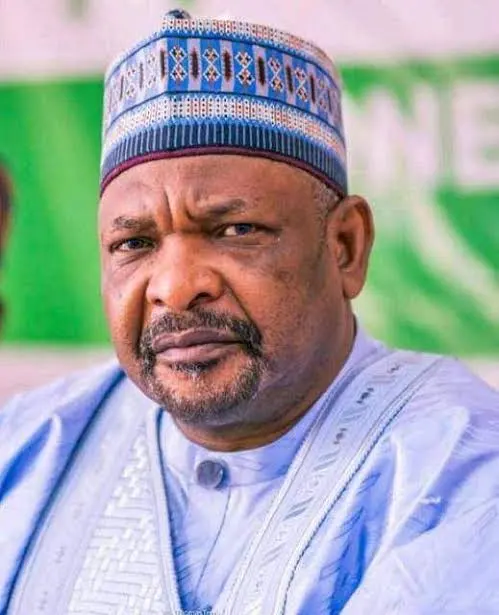
Tension rose in the Senate on Tuesday as lawmakers reacted strongly to reports of renewed xenophobic attacks in South Africa, with calls for firm action to protect Nigerian citizens living abroad.
The Senator representing Bauchi Central, Abdul Ningi, stirred debate when he warned that Nigeria could retaliate if the killings of its citizens continue. Speaking during plenary, he expressed anger over what he described as the repeated targeting of Nigerians in South Africa.
“Nigeria and Africans know where South Africa is, and we can take this war to their territory, if need be,” Ningi said.
His remarks followed reports that several Nigerians and other African nationals have been killed in fresh attacks believed to be linked to xenophobia. Xenophobia refers to hatred or violence directed at foreigners, often driven by economic hardship, unemployment, or social tensions.
Ningi said it was unacceptable for Nigerians to continue to lose their lives without strong action from authorities. He urged the Senate to treat the matter as urgent and give it priority attention.
“We cannot sit down and lament while this is happening. Life has no duplicate, and Nigerians are being killed for no reason,” he said.
The issue of xenophobic attacks in South Africa has been a recurring concern for many years. Since the early 2000s, there have been several waves of violence targeting foreign nationals, including Nigerians, Zimbabweans, and Mozambicans. Many of the victims are traders, small business owners, or workers trying to make a living.
In some cases, businesses owned by foreigners have been looted or destroyed, while individuals have been assaulted or killed. These incidents have often led to tension between Nigeria and South Africa, two of Africa’s largest economies.
Although the South African government has repeatedly condemned such attacks and promised to take action, critics say more needs to be done to prevent them and bring perpetrators to justice.
Back in Abuja, lawmakers also called on the Federal Government to take concrete steps in response to the latest incidents. Former Edo State governor and current Senator representing Edo North, Adams Oshiomhole, suggested that Nigeria should consider measures against South African businesses operating in the country.
Oshiomhole argued that economic pressure could send a strong message and force authorities in South Africa to better protect foreign nationals.
While he did not go into details, such measures could include reviewing business operations, imposing restrictions, or taking diplomatic steps to express Nigeria’s displeasure.
However, many Nigerians have in the past demanded stronger responses from their government whenever reports of xenophobic attacks emerge. Public anger often rises quickly, especially on social media, where calls for boycotts of South African goods and services are common.
The Federal Government has, in previous instances, evacuated Nigerians from South Africa during periods of intense violence. It has also engaged in diplomatic talks with South African authorities to address the situation.
Despite these efforts, the problem has persisted, raising questions about long-term solutions. Experts believe that addressing the root causes of xenophobia in South Africa—such as unemployment, poverty, and misinformation about foreigners—will be key to ending the cycle of violence.
For now, the Senate appears united in its concern over the safety of Nigerians abroad. Lawmakers stressed that protecting citizens, whether at home or overseas, is a core responsibility of government.
Ningi’s strong comments reflect the growing frustration among many Nigerians who feel that enough is enough. While some may see his remarks as too aggressive, others believe they highlight the seriousness of the situation.
As discussions continue, attention will be on how the Federal Government responds and whether new measures will be introduced to safeguard Nigerians in South Africa.
With tensions rising, both countries may need to engage more closely to prevent further violence and maintain their long-standing relationship. For many Nigerians living in South Africa, the hope is for peace, safety, and the chance to live and work without fear.