
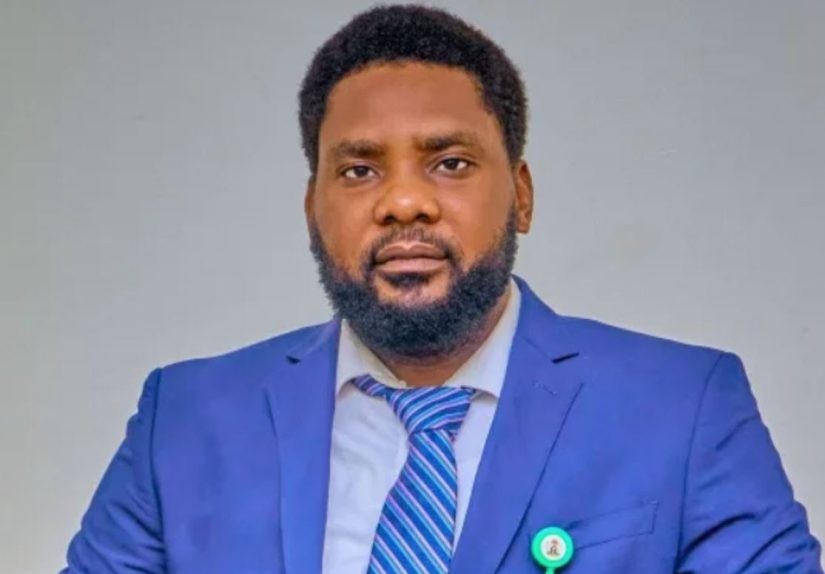
The Director-General of the Energy Commission of Nigeria, Dr Mustapha Abdullahi, has denied reports that he was arrested by the Economic and Financial Crimes Commission, insisting that he only honoured an invitation from the anti-graft agency.
Abdullahi made the clarification in a statement issued on Wednesday in Abuja through his Media Aide, Alhaji Abdulrasaq Danjuma, following reports circulating in sections of the media that he had been taken into custody by the commission.
According to the statement, the ECN boss voluntarily appeared before the EFCC in line with due process and respect for constituted authorities, stressing that the reports of his arrest were false and misleading.
“It is important to clarify that he was not arrested, but attended the engagement voluntarily as a responsible public servant committed to transparency and accountability,” the statement said.
The statement also appealed to Nigerians to avoid spreading unverified information capable of creating confusion or tension while investigations are ongoing.
Abdullahi urged members of the public, supporters, associates, and stakeholders to remain calm and law-abiding, adding that the appropriate authorities should be allowed to carry out their constitutional responsibilities without interference or unnecessary public pressure.
He further noted that the issues currently being discussed in public remain allegations that are still subject to investigation and due legal process.
“In line with established principles of justice and fairness, every individual is entitled to the presumption of innocence until proven otherwise by a court of competent jurisdiction,” the statement added.
The development comes amid growing public attention on investigations involving government officials and agencies as anti-corruption bodies continue efforts to strengthen accountability in public service.
The EFCC, one of Nigeria’s leading anti-corruption agencies, is responsible for investigating financial crimes, including fraud, money laundering, abuse of office, and diversion of public funds. Over the years, the commission has invited and questioned several public officials as part of ongoing investigations into allegations of financial misconduct.
However, invitations by anti-graft agencies are often misunderstood by the public and sometimes reported as arrests, especially when high-profile government officials are involved. Legal experts have repeatedly stressed that honouring an invitation for questioning does not automatically amount to guilt or formal detention.
The Energy Commission of Nigeria is the federal government agency responsible for strategic energy planning, policy coordination, and the promotion of sustainable energy development in the country. The commission plays a key role in advising the government on energy matters, including renewable energy, electricity planning, and energy security.
Under Abdullahi’s leadership, the commission has been involved in discussions around alternative energy solutions and policies aimed at improving energy access across Nigeria, especially as the country battles electricity shortages and rising energy demands.
Although the exact reason for the EFCC invitation was not disclosed in the statement, the ECN boss maintained that he remains committed to transparency and cooperation with lawful authorities.
As of press time, efforts to get official comments from the EFCC spokesperson, Dele Oyewale, were unsuccessful, as calls and inquiries made to the commission were not answered.
The absence of an official EFCC response has further fuelled public speculation surrounding the matter. However, observers say it is common for the anti-graft agency to withhold comments on ongoing investigations until preliminary findings are concluded.
The incident has once again highlighted the growing influence of social media in shaping public narratives around sensitive national issues. In recent years, false or incomplete reports involving arrests, investigations, and court matters have spread quickly online before official confirmations are made.
For now, Abdullahi insists that he remains fully cooperative with the authorities and has urged Nigerians to allow due process to take its course.
The case is expected to attract further attention in the coming days, especially if the EFCC releases an official statement clarifying the circumstances surrounding the invitation and any investigation linked to the matter.