
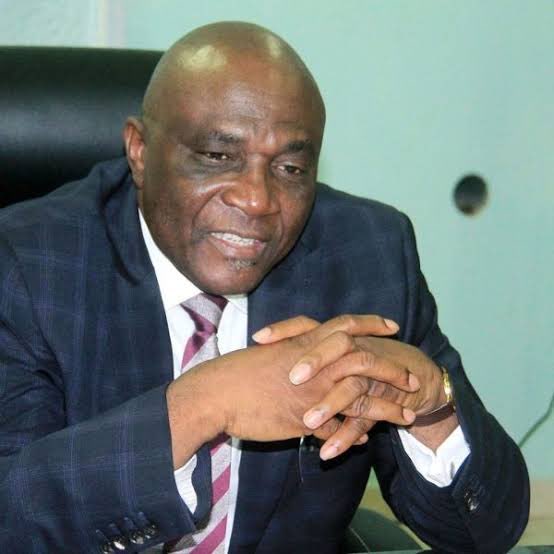
Presidential Adviser on Information and Strategy, Bayo Onanuga, has questioned the credibility of former Labour Party presidential candidate, Peter Obi, over his promise to serve only one term if elected president in 2027.
Onanuga, in a statement posted on his X account, said Obi’s political history showed that his public promises should not be trusted. He accused the former Anambra State governor of repeatedly changing political parties despite earlier pledges of loyalty.
The presidential aide referred to Obi’s time in the All Progressives Grand Alliance (APGA), where he served as governor of Anambra State from 2006 to 2014. According to Onanuga, Obi had publicly pledged to remain loyal to APGA but later left the party.
“If you believe Peter Obi’s promise to serve only one term as president, you’ll believe anything,” Onanuga wrote.
He added that Obi had once placed himself under what he described as a “self-curse,” promising not to leave APGA, the party under which he became governor.
“By his own actions, Peter Obi has shown that his word cannot be trusted. His promises are as fleeting as his political allegiances,” Onanuga stated.
The comments are the latest in the growing political debate ahead of the 2027 general election, which is already beginning to shape political alignments across the country.
Obi recently joined the Nigeria Democratic Congress (NDC) after leaving the Labour Party, where he contested the 2023 presidential election and finished third behind President Bola Tinubu of the All Progressives Congress (APC) and former Vice President Atiku Abubakar of the Peoples Democratic Party (PDP).
His move to the NDC came alongside former Kano State governor, Rabiu Kwankwaso, who also reportedly aligned with the party after leaving the African Democratic Congress (ADC).
Both politicians are expected to contest the 2027 presidential election on a joint ticket under the NDC platform, with Kwankwaso likely to emerge as Obi’s running mate.
The arrangement followed the party’s National Convention held in Abuja on May 9, where the NDC announced that its presidential ticket would be zoned to the South for a single term before returning to the North in 2031.
Political observers say the decision is part of efforts to balance power between the northern and southern regions of the country, a long-standing issue in Nigerian politics.
Since the return to democratic rule in 1999, major political parties have often relied on informal zoning arrangements to maintain regional balance in leadership positions. Supporters of zoning argue that it promotes unity and inclusion in a country with deep ethnic and religious diversity.
Obi’s reported agreement to serve only one term appears to be connected to the NDC’s zoning formula. Supporters of the former governor believe the arrangement could help attract northern political support ahead of the election.
However, critics within the ruling APC have continued to question both the sincerity and practicality of the promise.
Onanuga’s remarks reflect the growing rivalry between the APC and emerging opposition alliances seeking to challenge President Bola Tinubu’s administration in 2027.
Obi has not officially responded to the comments by the presidential adviser as of the time of filing this report.
The former Anambra governor remains one of the most influential opposition figures in the country, especially among young voters and urban professionals who strongly supported his 2023 presidential campaign.
During the last election, Obi gained national attention through the “Obidient” movement, a grassroots political campaign largely driven by youths and first-time voters. His supporters argued that he represented a break from Nigeria’s traditional political establishment.
Despite losing the election, Obi continued to maintain a strong political presence and has repeatedly called for reforms in governance, economic management and electoral processes.
Kwankwaso, on the other hand, commands significant political influence in Kano State and parts of northern Nigeria through his Kwankwasiyya movement. Analysts believe a possible Obi-Kwankwaso alliance could reshape opposition politics ahead of 2027.
Still, questions remain over whether the opposition can build a united front strong enough to challenge the ruling APC, which currently controls the presidency and holds influence in many states across the federation.
As political activities gradually intensify ahead of 2027, debates over credibility, zoning and political loyalty are expected to remain major issues in the national conversation.