
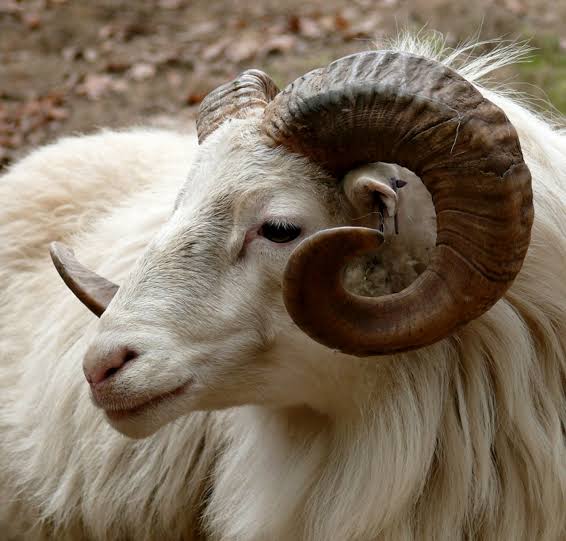
As preparations gather pace for the Eid-el-Kabir celebrations, the Lagos State Government has warned traders and residents against the sale and display of rams and other livestock on highways, road medians and other unauthorised public spaces across the state.
The government said it would intensify enforcement of environmental laws during and after the Sallah period to ensure public safety, free flow of traffic and cleaner surroundings across Lagos.
Speaking during a media briefing on Monday, the Lagos State Commissioner for the Environment and Water Resources, Tokunbo Wahab, said the state would not tolerate activities capable of causing environmental nuisance, traffic obstruction or danger to residents during the festive season.
According to him, the restriction covers the sale and display of rams, goats, cows and other livestock on highways, road medians, lay-bys, public parks, gardens and open spaces not approved for commercial activities.
Wahab explained that while the government understands that livestock trading usually increases during Eid-el-Kabir, traders must operate only in approved markets and designated areas in line with state environmental regulations.
He stressed that the government’s position was aimed at preventing the annual disorder often associated with festive trading, especially in major parts of Lagos where traders sometimes convert roadsides and public spaces into temporary livestock markets.
“Let me restate the government’s resolve to firmly apply regulatory and enforcement measures against contraventions of environmental laws and regulations. I enjoin residents to voluntarily comply with the extant State environmental laws,” Wahab said during the briefing.
The commissioner warned that enforcement teams would be deployed across the state to monitor compliance and remove illegal structures, stalls and roadside trading points set up in violation of the law.
He added that people caught engaging in illegal street trading or indiscriminate occupation of public spaces would face sanctions in accordance with existing environmental laws in Lagos State.
In Lagos, Eid-el-Kabir celebrations usually come with increased commercial activities as ram sellers move into strategic locations across the city to attract buyers. Areas around major roads, bridges and bus stops often become temporary livestock markets during the period, leading to heavy traffic, waste accumulation and safety concerns.
The government has repeatedly expressed concern over the situation, saying roadside livestock trading not only obstructs traffic but also exposes residents and traders to accidents and environmental hazards.
Officials say animals tied along highways or displayed on road medians can create confusion for motorists and pedestrians, especially in densely populated areas such as Lagos.
Apart from traffic issues, the state government also raised concerns about poor sanitation linked to the slaughtering and processing of animals during the Sallah festivities.
Wahab urged residents to maintain proper environmental hygiene and ensure that waste generated from animal slaughtering is properly handled and disposed of.
He advised Lagosians to bag their waste properly and take them to designated collection points for evacuation by the Lagos Waste Management Authority.
The commissioner said the government was determined to sustain efforts aimed at reducing indiscriminate refuse dumping and keeping communities clean throughout the festive season and beyond.
According to him, environmental sustainability remains important to public health, social wellbeing and economic development in the state.
He also cautioned residents against other environmental violations, including dumping refuse in drainage channels, maintaining dirty surroundings and converting open spaces into illegal refuse sites.
The warning comes as Lagos continues to battle flooding and drainage blockage caused largely by indiscriminate waste disposal. During the rainy season, blocked drains often contribute to flooding in several parts of the state, disrupting movement and damaging property.
Environmental officials have repeatedly linked many of the flooding incidents to human activities, especially the dumping of waste into canals, gutters and drainage systems.
Over the years, the Lagos State Government has intensified campaigns on environmental sanitation and urban cleanliness as part of broader efforts to improve public health and maintain the image of the commercial capital.
Authorities have also increased enforcement operations against street trading and illegal markets in different parts of the state.
In recent years, task force officials have removed makeshift structures and traders from highways, bridges and road setbacks in areas including Oshodi, Apapa, Agege and Lekki as part of measures to restore order and ease traffic congestion.
The government insists that while residents have the right to conduct legitimate business activities, such activities must not endanger public safety or inconvenience other road users.
Many Lagos residents have expressed mixed reactions to the latest directive.
Some residents welcomed the government’s move, saying roadside ram markets often create traffic congestion and leave heaps of animal waste in public places after the celebrations.
Others, however, believe the government should provide more accessible and affordable designated spaces for ram sellers, especially small-scale traders who may struggle to secure shops in regular markets.
A trader in the Agege area said roadside locations often help sellers attract more customers during the short Sallah business period.
However, environmental experts say stricter regulation is necessary in a growing mega city like Lagos, where uncontrolled trading activities can worsen sanitation and traffic problems.
The Eid-el-Kabir festival, also known as the Festival of Sacrifice, is one of the most important celebrations in Islam. Muslims across Nigeria and other parts of the world commemorate the occasion with prayers, animal sacrifice and family gatherings.
The celebration usually leads to increased demand for rams and other livestock, with temporary markets springing up in major cities days before the festival.
In Lagos, ram trading is a major seasonal business, attracting dealers from northern states who transport livestock to the South-West for sale during the period.
Despite the commercial opportunities associated with the celebration, state authorities insist that all activities must be carried out within the limits of the law.
Wahab assured residents that the Lagos State Government would continue to strengthen public enlightenment campaigns and enforcement activities aimed at promoting a cleaner and healthier environment.
He also congratulated Muslim faithful ahead of the Eid-el-Kabir celebration and encouraged residents to make use of designated parks, gardens and recreational centres across the state for relaxation and family activities during the holiday.
The commissioner said the government remained committed to ensuring that residents enjoy a peaceful, safe and hygienic festive season while maintaining order across the state.