
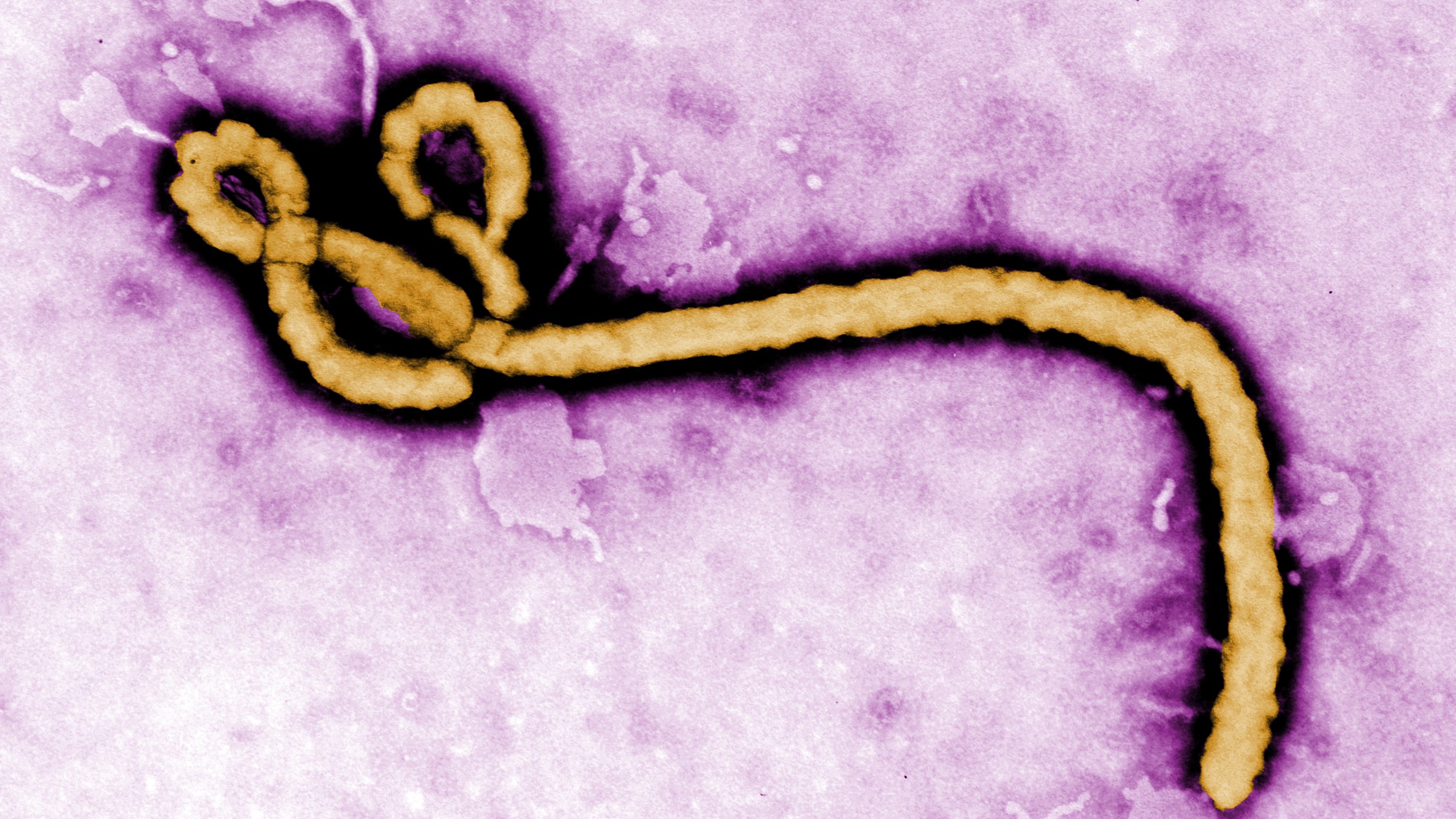
The Lagos Waste Management Authority (LAWMA) has issued a precautionary advisory to health facilities and medical waste handlers across Lagos State following reports of an outbreak of Ebola Virus Disease (EVD) in parts of East Africa.
The move is aimed at strengthening preparedness and preventing any possible spread of the deadly disease, even though there are currently no confirmed cases of Ebola in Lagos State or anywhere in Nigeria.
LAWMA’s Managing Director and Chief Executive Officer, Dr. Muyiwa Gbadegesin, said the advisory was necessary to ensure that hospitals, clinics, laboratories, medical waste handlers, transporters and treatment operators remain vigilant and strictly comply with infection prevention and waste management procedures.
According to a statement released by the Lagos State Government on Saturday, Gbadegesin stressed that preparedness remains one of the most effective ways to prevent infectious diseases from spreading.
He assured residents that there was no cause for panic, noting that no Ebola case had been recorded in Lagos or any part of the country. However, he said health authorities and relevant stakeholders must not lower their guard.
“Although there is currently no confirmed case of Ebola in Lagos or Nigeria, preparedness remains one of the most effective tools in disease prevention,” Gbadegesin said.
“We are therefore urging all health facilities and licensed medical waste operators to strengthen infection prevention and control measures and ensure strict compliance with approved medical waste management protocols.”
The advisory comes as health authorities around the world continue to monitor developments in East Africa, where reports of Ebola infections have raised concerns about possible cross-border transmission. Public health experts have repeatedly warned that increased international travel and movement of people make disease surveillance and preparedness critical for countries seeking to prevent outbreaks.
As Nigeria’s commercial capital and one of Africa’s busiest cities, Lagos remains particularly alert to public health threats because of its large population, international airport, seaports and extensive business activities.
Gbadegesin noted that medical waste management plays a major role in preventing the spread of infectious diseases. According to him, proper handling and disposal of infectious materials are essential for protecting healthcare workers, patients, waste handlers and members of the public.
He explained that poor management of medical waste could expose people to dangerous infections and create additional public health challenges. As a result, hospitals and other healthcare facilities must ensure that infectious waste is properly identified, separated, handled and disposed of according to approved standards.
The advisory directed health facilities across Lagos State to reinforce infection prevention measures. These include proper hand hygiene practices, consistent use of personal protective equipment (PPE), safe handling of medical specimens, regular environmental cleaning and decontamination, and strict segregation of infectious waste at the point where it is generated.
Healthcare institutions were also urged to ensure that workers are properly trained on infection control procedures and are equipped with the tools needed to manage infectious diseases safely.
Similarly, LAWMA advised medical waste handlers, transporters and treatment operators to strictly follow approved procedures for the collection, transportation, treatment and disposal of infectious waste.
The authority stressed the importance of using protective equipment at all times during waste handling operations to reduce the risk of exposure to potentially harmful materials.
Gbadegesin said LAWMA would continue to monitor compliance with existing regulations and engage stakeholders in the healthcare sector to maintain high standards of medical waste management throughout the state.
He added that the agency would work closely with relevant government institutions and healthcare providers to ensure that preparedness measures remain effective and up to date.
The LAWMA boss also urged hospitals, clinics and other healthcare facilities to review their infection prevention protocols and immediately report any suspected public health concerns through the appropriate government channels.
According to him, early reporting and rapid response are essential elements in controlling infectious disease outbreaks before they spread widely within communities.
Lagos State has a history of responding effectively to disease outbreaks. In 2014, Nigeria successfully contained an Ebola outbreak after an infected traveller arrived in Lagos from Liberia. Health officials at the time quickly traced contacts, isolated suspected cases and implemented emergency measures that helped prevent a wider spread of the disease.
The World Health Organization later praised Nigeria’s response, describing it as one of the most successful efforts to stop the virus from becoming a major public health crisis.
The memory of that outbreak continues to shape the state’s public health policies and preparedness strategies. Experts believe that lessons learned from previous disease outbreaks, including Ebola and COVID-19, have strengthened surveillance systems and emergency response structures in Lagos.
Public health specialists say Ebola is a severe and often fatal illness caused by a virus that spreads through direct contact with the blood, body fluids or tissues of infected persons or animals. Symptoms may include fever, weakness, muscle pain, vomiting, diarrhoea and, in severe cases, internal and external bleeding.
Because there is no room for complacency when dealing with highly infectious diseases, authorities have continued to encourage healthcare institutions to remain vigilant and maintain strict safety standards.
Gbadegesin reiterated that Lagos State remains on high alert and will continue to sustain surveillance, preparedness and response measures aimed at protecting residents.
He assured the public that government agencies are closely monitoring developments and taking necessary steps to ensure the safety of healthcare workers and the general population.
With no confirmed Ebola case in Nigeria, officials say the current focus remains on prevention, preparedness and strict compliance with health and safety protocols. Authorities believe that maintaining these measures will help keep Lagos and the rest of the country safe while health experts continue to monitor the situation in East Africa.
For residents, the message from LAWMA and public health authorities is clear: there is no immediate threat, but vigilance, proper hygiene and adherence to established health guidelines remain essential in preventing the spread of infectious diseases.