
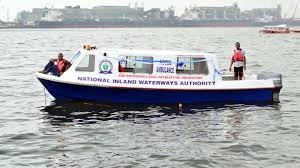
The Joint Task Force (JTF), Operation Whirl Stroke (OPWS), has imposed restrictions on night sailing and issued a fresh safety advisory to boat operators, passengers and residents of riverine communities as rising water levels increase the risk of accidents on inland waterways.
The advisory was issued on Tuesday by the Maritime Component of Operation Whirl Stroke following concerns over the dangers posed by heavy rainfall and flooding across several parts of the country.
According to the task force, the ongoing rainy season has caused a significant increase in water levels in rivers and other inland waterways, creating stronger currents and turbulence that could endanger boats and other water transport activities.
The warning was issued on the directive of the Force Commander of Operation Whirl Stroke, Major General Moses Gara.
In a statement signed by the Acting Media Information Officer of the operation, Lieutenant Ahmad Zubairu, the Maritime Component Commander, Lieutenant Commander Dusse Zakari, said the safety measures were necessary to prevent avoidable loss of lives and property.
He explained that the rainy season often brings dangerous conditions to waterways, making navigation more difficult for boat operators and increasing the likelihood of accidents.
“The ongoing rainy season has resulted in a significant rise in water levels. This increase in water volume is often accompanied by strong currents and turbulence, which may pose serious risks to water transportation and other riverine activities,” Zakari stated.
“Consequently, there is an increased likelihood of boat mishaps that could result in the loss of lives and property if adequate safety measures are not observed.”
The advisory comes at a time when many communities across Nigeria are experiencing heavy rainfall and flooding, with authorities repeatedly warning residents in flood-prone areas to take precautionary measures.
Water transportation remains a major means of movement for many riverine communities, particularly in areas where road networks are poor or inaccessible. However, the rainy season has historically been associated with a rise in boat accidents, many of which result in multiple casualties.
Over the years, several boat mishaps have been recorded across states such as Benue, Kogi, Niger, Bayelsa, Rivers, Kebbi and other riverine areas. Investigations into many of the incidents often point to overloading, poor safety compliance, lack of life jackets and adverse weather conditions as major causes.
To reduce the risks, the Maritime Component directed all passengers and mariners to wear life jackets throughout their journeys.
The command stressed that the use of life jackets is one of the most effective ways of preventing deaths during boat accidents and urged passengers not to board any boat without adequate safety provisions.
Boat operators were also instructed to ensure that at least one life buoy is available on every boat to assist in rescue efforts during emergencies.
In addition, the task force warned operators against overloading their boats beyond approved carrying capacities.
According to maritime safety experts, overloading remains one of the leading causes of boat accidents in Nigeria. Excess passengers or cargo can affect a vessel’s balance and stability, especially when operating on rough waters during the rainy season.
The Maritime Component further directed operators to equip their boats with essential emergency and safety tools.
Among the items listed are functional torchlights, spare spark plugs and tarpaulins that can help operators manage emergencies and navigate safely in challenging weather conditions.
The advisory also addressed environmental concerns, urging boat operators and passengers to avoid polluting waterways.
The command specifically warned against the disposal of non-biodegradable materials and other waste products into rivers and waterways.
Environmental experts have repeatedly warned that indiscriminate dumping of waste into water bodies contributes to environmental degradation, blocks waterways and increases the risk of flooding in surrounding communities.
One of the major decisions announced by the task force is the prohibition of night sailing.
The Maritime Component directed all maritime unions to ensure strict compliance with the ban, stating that marine transportation activities must only take place between 6:30 a.m. and 6:00 p.m. daily.
The restriction, according to the command, is necessary for security and safety reasons.
“All maritime unions are to enforce the prohibition of night sailing. Marine operations are strictly restricted to the hours between 6:30 a.m. and 6:00 p.m. daily for security reasons,” the statement said.
Night sailing has long been considered a major safety challenge in many parts of Nigeria due to poor visibility, inadequate navigation facilities and security threats along waterways.
Security agencies have in the past linked some criminal activities on waterways, including robbery and illegal movements, to operations conducted under the cover of darkness.
The Maritime Component also directed all boat operators to register with their respective maritime unions and carry valid means of identification while operating on waterways.
Officials said the measure would help improve accountability, strengthen monitoring efforts and make it easier for security agencies to identify legitimate operators.
The task force further called on residents of riverine communities to support security efforts by remaining vigilant and promptly reporting suspicious movements or criminal activities to relevant authorities.
According to the command, community participation remains critical in ensuring the safety and security of waterways, especially during periods of increased movement and heightened environmental risks.
“He also called on all mariners’ unions to ensure strict enforcement and compliance with these safety advisories among their members,” the statement added.
Operation Whirl Stroke was established as a military operation to tackle security challenges, including armed attacks, banditry and other criminal activities in parts of North-Central Nigeria. Over the years, its responsibilities have expanded to include efforts aimed at protecting lives and property within areas under its jurisdiction.
The latest advisory reflects growing concerns among authorities about the dangers associated with the rainy season, particularly as weather forecasts continue to predict heavy rainfall and possible flooding in several states.
The Maritime Component reaffirmed its commitment to protecting lives, securing waterways and ensuring safe maritime activities within its operational areas.
It urged members of the public, boat operators and passengers to cooperate fully with security agencies by observing all safety guidelines and remaining alert at all times.