
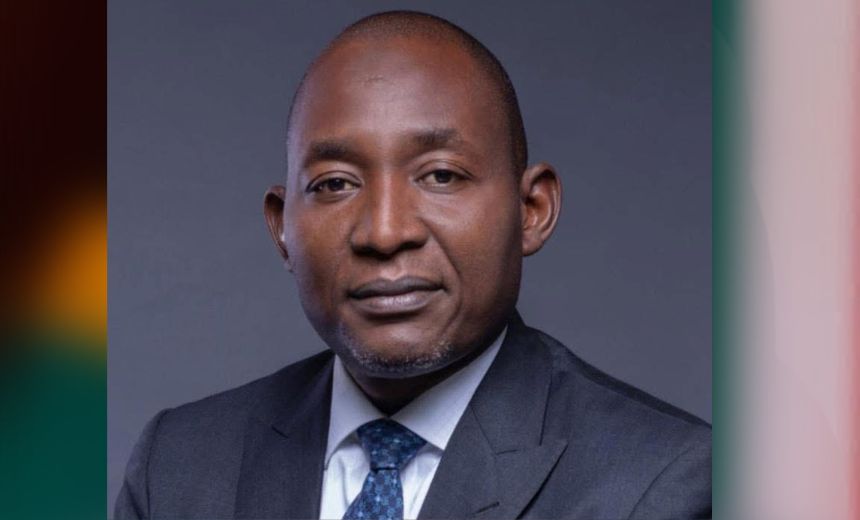
President Bola Ahmed Tinubu has approved the removal of the Chief Executive of the Nigerian Midstream and Downstream Petroleum Regulatory Authority (NMDPRA), Saidu Mohammed, and nominated Rabiu Abdullahi Umar as his replacement.
The nomination, which is subject to confirmation by the Senate, was announced on Wednesday, April 29, 2026, in a statement released by the President’s Special Adviser on Information and Strategy, Bayo Onanuga. The statement was also shared on social media platform X, formerly known as Twitter.
According to the Presidency, the decision to remove the current head of the regulatory authority was taken in the public interest and in line with the provisions of the Petroleum Industry Act 2021. The move, it said, is aimed at improving the effectiveness of regulation in Nigeria’s vital oil and gas sector.
The NMDPRA is one of the key agencies created by the Petroleum Industry Act to oversee activities in the midstream and downstream segments of the petroleum industry. Its responsibilities include regulating fuel supply, ensuring compliance with industry standards, and protecting the interests of consumers and investors. Since its establishment, the agency has played a central role in implementing reforms introduced by the Act.
In recent years, Nigeria’s oil and gas sector has faced several challenges, including fuel supply issues, fluctuating prices, and the need for increased investment in infrastructure. The government has repeatedly stated that strengthening regulatory institutions is essential to addressing these challenges and ensuring long-term stability in the sector.
Rabiu Abdullahi Umar, the nominee for the top position, is described by the Presidency as a seasoned professional with more than 25 years of experience across the energy, manufacturing, and infrastructure sectors. His career has involved leadership roles that focus on operational improvement and the delivery of large-scale projects.
Umar studied Accounting at Bayero University and later attended the Harvard Business School, where he further developed his management and leadership skills. The Presidency noted that his background and experience make him well-suited to lead the regulatory body at a time when the government is pushing for reforms in the energy sector.
Part of the statement read: “This decision, made pursuant to the Petroleum Industry Act 2021, is aimed at strengthening regulatory effectiveness in the midstream and downstream petroleum sector, in line with the Renewed Hope Agenda.”
It added that Umar has a “proven track record in strategic leadership, operational transformation, and large-scale project delivery,” qualities the government believes are necessary to drive improvements within the agency.
Until the Senate completes its confirmation process, the most senior official within the NMDPRA will serve in an acting capacity. This is in line with standard government procedure to ensure continuity in the operations of key institutions.
President Tinubu also expressed appreciation to the outgoing chief executive, Saidu Mohammed, for his service to the nation. While no specific reason was given for his removal beyond the need to strengthen the agency, the President wished him well in his future endeavours.
The development comes at a time when the Nigerian government is placing renewed focus on energy security and economic growth. The oil and gas sector remains the backbone of the country’s economy, contributing significantly to government revenue and foreign exchange earnings.
The Petroleum Industry Act, signed into law in 2021, was designed to address long-standing issues in the sector by introducing clear rules, promoting transparency, and encouraging investment. Since then, the government has been working to fully implement its provisions, including appointing capable leaders to head key regulatory bodies.
For many Nigerians, the expectation is that such changes will translate into tangible improvements, particularly in the availability and affordability of fuel. Issues related to fuel supply have often led to public concern, making the role of the regulatory authority even more important.
As the Senate prepares to review Umar’s nomination, attention will likely focus on his plans for the agency and how he intends to address existing challenges. Lawmakers are expected to assess his qualifications, experience, and vision for the sector before making a final decision.
If confirmed, Umar will take on the responsibility of leading one of the most important regulatory bodies in Nigeria’s energy sector. His performance will be closely watched by stakeholders, including industry players, investors, and the general public.