
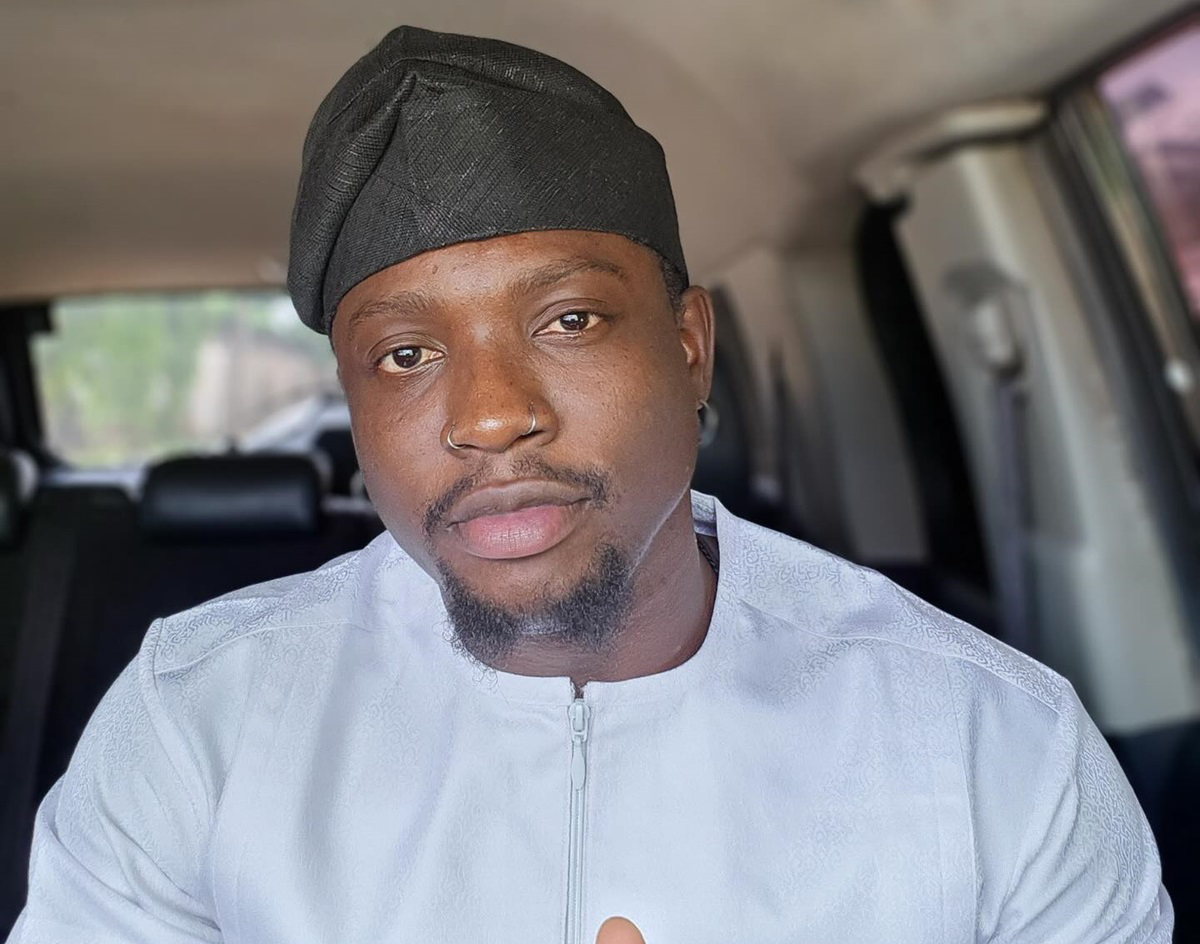
The Presidency on Wednesday called for legal action against social media influencer, Martins Vincent Otse, popularly known as VeryDarkMan or VDM, over the circulation of an alleged fake audio involving President Bola Ahmed Tinubu.
The call was made by the Special Adviser to the President on Information and Strategy, Bayo Onanuga, in a post shared on X, formerly known as Twitter.
Onanuga accused the influencer of spreading false information on social media and described the action as an abuse of digital platforms.
“This VDM needs to face the weight of the law for being the conveyor and disseminator of a fake audio of President Tinubu,” Onanuga wrote.
“This is a clear case of an egregious abuse of the social media platform.”
The presidential aide was reacting to a post made by another X user identified as Aneex, who questioned why some Nigerians believed the voice in the viral recording belonged to President Tinubu.
The controversy followed the circulation of a video online in which VDM allegedly used the leaked audio recording to urge Nigerians not to support Tinubu’s re-election bid in the 2027 presidential election.
Although the Presidency insists the audio is fake, there has been no official public statement detailing the origin of the recording or whether security agencies have begun investigations into the matter.
As of Wednesday evening, VDM had not publicly responded to Onanuga’s statement or the Presidency’s call for legal action against him.
The development has since generated widespread reactions on social media, with supporters and critics of both the Presidency and the influencer debating the issue online.
VeryDarkMan is one of Nigeria’s most controversial and widely followed social media personalities. He became popular for making videos on social issues, celebrity controversies and public affairs.
Over the years, the influencer has built a large following, especially among young Nigerians, through his outspoken style and criticism of public figures, celebrities and government institutions.
However, his activities on social media have also attracted criticism and legal troubles on several occasions.
The latest controversy comes amid increasing concerns about misinformation and manipulated content on social media platforms in Nigeria and across the world.
In recent years, the spread of fake news, edited videos and artificial intelligence-generated audio clips has become a major challenge for governments, public institutions and media organisations.
Nigeria has witnessed several cases of misleading online content involving politicians, celebrities and public officials in recent years.
Security agencies and government officials have repeatedly warned social media users against spreading unverified information capable of causing panic or damaging reputations.
At the same time, civil rights groups and free speech advocates have continued to caution the government against using laws on misinformation to silence critics and opposition voices.
The debate over balancing free speech with the need to prevent false information has remained a major issue in Nigeria’s digital space.
The controversy involving the alleged Tinubu audio is also coming at a time when political discussions around the 2027 general elections are gradually gaining attention across the country.
Although political campaigns have not officially begun, politicians, parties and supporters have already started making public statements and strategic moves ahead of the next election cycle.
President Tinubu, who assumed office in May 2023, has faced both support and criticism over his administration’s economic reforms and handling of national issues.
Policies such as the removal of fuel subsidy and the floating of the naira have drawn mixed reactions from Nigerians.
While the government argues that the reforms are necessary for long-term economic recovery, many citizens have complained about rising living costs and economic hardship.
Against this background, political conversations on social media have become more intense, with influencers and online commentators playing increasingly active roles in shaping public opinion.
Unlike traditional media platforms, social media allows individuals with large followings to quickly spread opinions, videos and political messages to millions of people.
However, experts also warn that the speed of information sharing online makes it easier for false or manipulated content to spread before proper verification can be carried out.
Some lawyers have also argued that such matters could raise questions relating to freedom of expression, defamation and cybercrime laws.
Nigeria’s Cybercrimes Act contains provisions against the spreading of false information online, especially content considered harmful or misleading.
In the past, several individuals have been arrested or prosecuted under the law over social media activities and online publications.
Despite this, critics have sometimes accused authorities of selective enforcement and targeting government critics.
For now, the Presidency’s latest statement has added another layer to ongoing discussions about misinformation, political communication and the growing power of social media influencers in Nigeria.
Many Nigerians are now waiting to see whether the government will pursue formal legal action against the influencer or if the matter will remain a public controversy on social media platforms.