
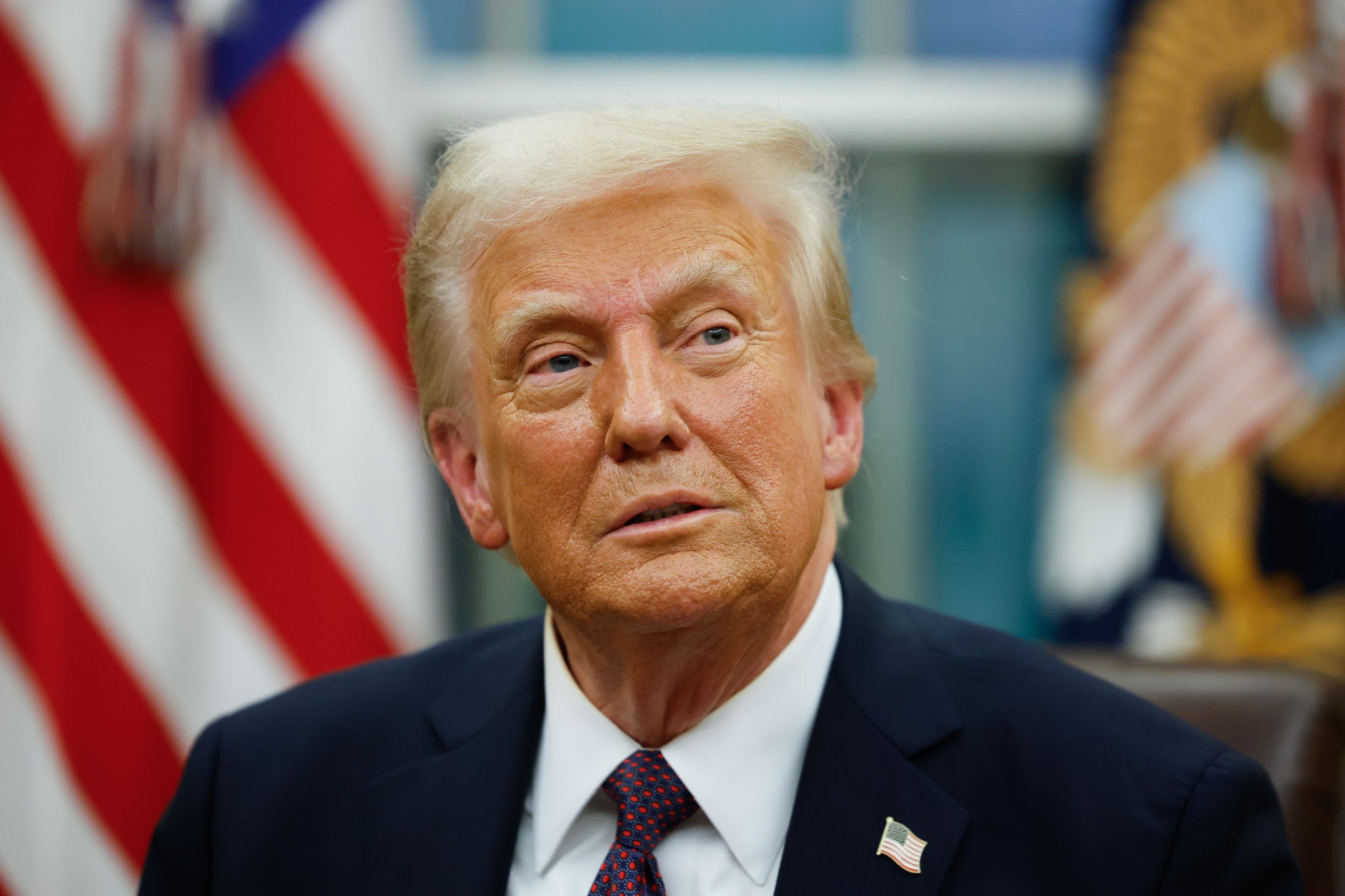
The United States Supreme Court has rejected President Donald Trump’s attempt to end birthright citizenship, dealing a major legal setback to one of his administration’s most controversial immigration policies.
In a 6-3 ruling delivered on Tuesday, the country’s highest court struck down Trump’s executive order that sought to limit automatic citizenship for children born on American soil to certain categories of parents.
The decision means that birthright citizenship, a constitutional right that has existed for more than a century, remains in force across the United States.
Chief Justice John Roberts, delivering the court’s opinion, said the Constitution guarantees citizenship to those born in the United States and reaffirmed the historical importance of that protection.
“Citizenship, then and now, was the right to have rights — to freely participate in our political community. The Framers of the Fourteenth Amendment extended that promise to ‘every free-born person in this land’. We keep that promise today,” Roberts said.
The ruling is seen as a significant defeat for President Trump, who made tougher immigration policies one of the defining features of both his first and second terms in office.
Trump signed the executive order on the first day of his second term, arguing that birthright citizenship should not automatically apply to children born in the United States to parents who are in the country illegally or temporarily.
His administration maintained that the long-standing interpretation of the Constitution encouraged illegal immigration and “birth tourism,” in which foreign nationals travel to the United States to give birth so their children can obtain American citizenship.
However, critics argued that the executive order violated the clear language of the US Constitution and decades of legal precedent.
The case quickly attracted widespread attention and was challenged in several federal courts shortly after the order was issued.
Lower courts suspended the implementation of the executive order while the legal battle continued, preventing the administration from enforcing the policy.
Those courts ruled that the order was likely unconstitutional because it conflicted with the Citizenship Clause of the Fourteenth Amendment.
The Fourteenth Amendment, adopted in 1868 after the American Civil War, provides that all persons born or naturalised in the United States, and subject to its jurisdiction, are citizens of the United States and of the state in which they reside.
For more than 150 years, the amendment has served as the legal foundation for birthright citizenship in the country.
The Supreme Court’s latest ruling reinforces that long-standing constitutional position.
Although Trump appointed three of the court’s nine justices during his presidency, the ruling highlights the independence of the US judiciary, which is expected to interpret the Constitution regardless of political considerations.
The President has had a strained relationship with the Supreme Court in recent months.
His criticism of the court increased after it ruled against parts of his administration’s tariff policies, prompting him to publicly question some of its decisions.
Before Tuesday’s judgment, Trump had repeatedly suggested that he expected the court to rule against his administration on the birthright citizenship issue.
Immigration has remained one of the most divisive political issues in the United States.
Trump has consistently argued for stricter border security, mass deportations of undocumented immigrants and tighter immigration laws.
Supporters of his policies argue that stronger immigration controls are necessary to protect national security, reduce illegal border crossings and preserve public resources.
On the other hand, civil rights organisations, immigration advocates and many legal scholars have opposed efforts to limit birthright citizenship, insisting that the Constitution provides clear protections that cannot be removed by presidential action.
Several advocacy groups welcomed Tuesday’s ruling, describing it as a victory for constitutional rights and the rule of law.
The judgment is also expected to provide certainty for thousands of families who had been concerned about the legal status of children born in the United States while the case was pending.
The decision is likely to influence future debates on immigration reform, citizenship and constitutional interpretation, especially as immigration remains a central issue in American politics.
For now, the Supreme Court’s ruling leaves the constitutional guarantee of birthright citizenship unchanged, ensuring that children born on American soil continue to enjoy automatic US citizenship under the Fourteenth Amendment, regardless of the immigration status of their parents.