
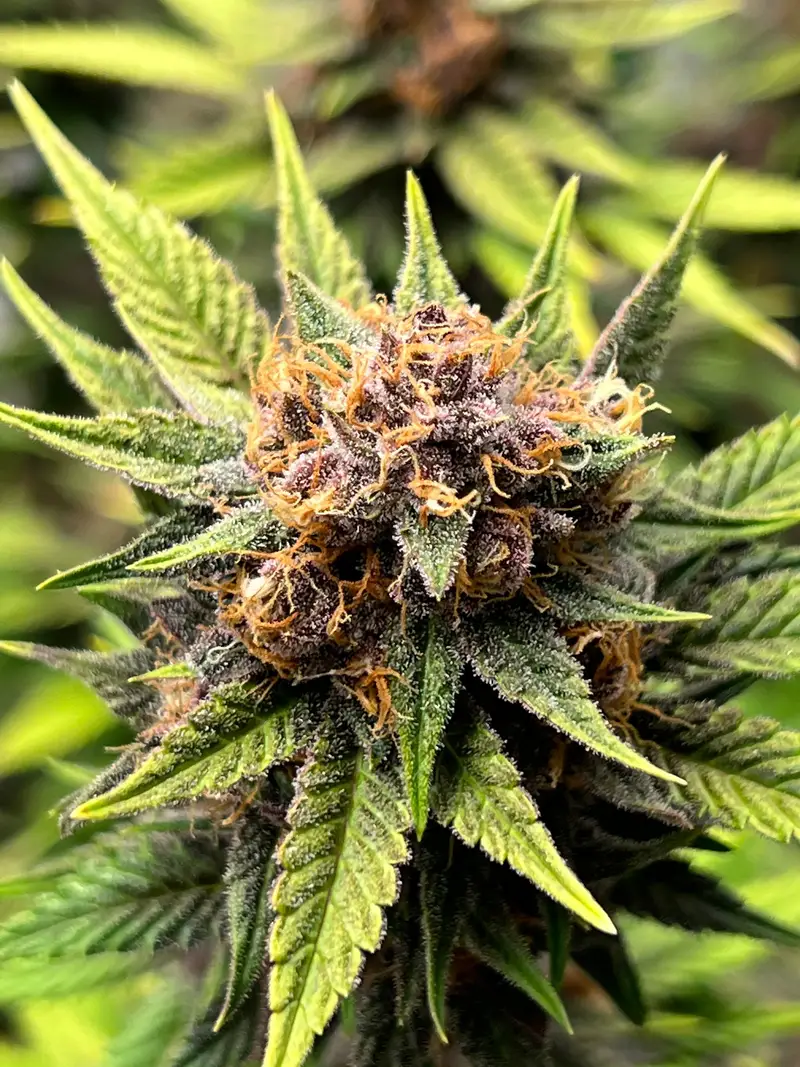
The National Drug Law Enforcement Agency (NDLEA), Edo State Command, has raised the alarm over the growing cultivation of cannabis in the state, warning that the trend could worsen food shortages as farmers abandon food production for the more profitable illegal crop.
The State Commander of the agency, Dr Mitchell Ofoyeju, gave the warning on Tuesday at the Edo Central Senatorial District Town Hall meeting organised by Senator Joseph Ikpea in Uromi, Esan North-East Local Government Area of the state.
Ofoyeju, who spoke on the topic, “Cannabis Cultivation and Rural Insecurity in Edo Central,” said the increasing conversion of farmland and forest areas into cannabis plantations posed serious threats to food production, security and the future of rural communities.
He warned that if urgent steps were not taken to reverse the trend, the state could face serious food shortages because only a small portion of arable land would remain available for legitimate farming.
According to him, forestlands and other areas previously used for agriculture were increasingly being turned into cannabis farms, with the development creating a chain of social and security problems in affected communities.
“What started as hidden plots has grown into large-scale cannabis farms and a chain of insecurity. Where cannabis takes root, crime follows, and where cannabis grows, development dies,” he said.
The NDLEA commander said cannabis cultivation had created what he described as a “violent ecosystem” capable of weakening rural communities and increasing the activities of criminal groups.
He linked the expansion of cannabis farming to kidnapping, arms proliferation, cultism, youth exploitation and other forms of criminal activity.
Ofoyeju said the situation was also affecting legitimate farmers, many of whom now live in fear of attacks and are unable to freely access their farms.
He explained that insecurity had forced some farmers to abandon their fields, thereby creating an opening for illegal cannabis cultivation to expand.
“The result has been a dangerous abandonment of food production in favour of cannabis cultivation, coupled with significant environmental pollution,” he said.
The development, he warned, could have wider implications for the state’s food supply, especially at a time when Nigerians are already facing high food prices and rising production costs.
Edo is one of Nigeria’s major agricultural states, with farmers producing crops such as rice, maize, cassava, yam and other food products. The state also has large forest areas and fertile land, making the protection of its agricultural resources important to food production and rural livelihoods.
However, Ofoyeju said the growing attraction of cannabis cultivation was putting some of those resources under pressure.
He noted that cannabis farmers could be attracted by the financial returns from the illegal trade, while young people who lack jobs or stable sources of income could also be recruited into the drug economy.
The commander said the problem was not limited to cultivation, stressing that drug abuse was also contributing to violent crimes and the growth of cult groups in the state.
He said substances such as tramadol, codeine, cocaine, heroin and methamphetamine were being abused by some youths and criminal groups, with the effects contributing to violent clashes, kidnapping, extortion, cultism and gun-running.
According to him, drug use can make criminals more reckless and less concerned about the consequences of their actions.
“They stop caring about human life or rules,” he said, adding that drugs were fuelling brutal clashes among rival cult groups and organised criminal gangs.
Beyond the security concerns, Ofoyeju also highlighted the health consequences of substance abuse.
He said prolonged drug use could cause serious damage to major organs of the body, including the brain, heart, lungs, liver and kidneys.
The NDLEA boss therefore called for stronger cooperation among government agencies, traditional rulers, community leaders, youths, women and other stakeholders to tackle the problem.
He said the agency had developed a multi-pronged approach that would focus on community participation rather than relying only on arrests and destruction of cannabis farms.
Among the measures proposed are the establishment of confidential intelligence networks within communities to enable residents to report illegal cultivation and drug activities without fear of retaliation.
He also called for quarterly meetings involving traditional rulers, youth leaders, women’s groups and other community stakeholders to review developments and strengthen cooperation against drug-related activities.
The NDLEA commander proposed joint operations involving relevant security agencies and communities to identify and destroy cannabis farms.
He also stressed the need to provide alternative sources of livelihood for people involved in illegal cultivation, particularly youths who may have entered the business because of poverty and unemployment.
He said skill acquisition programmes, start-up grants and tool kits should be provided to people willing to leave cannabis cultivation and embrace legitimate businesses.
Ofoyeju argued that addressing the economic conditions that make illegal drug cultivation attractive would be important in achieving lasting results.
He also urged residents to take ownership of the fight against drug trafficking and abuse, saying the problem could not be solved by the NDLEA alone.
The commander assured residents that the Edo State Command would continue its efforts to make the state safer and reduce the spread of illicit drugs.
He said the agency was committed to protecting forests from cannabis plantations and securing the future of young people in the state.
The commander’s warning comes amid wider concerns in Nigeria over the connection between drug trafficking, youth unemployment and insecurity. Security agencies have repeatedly identified illicit drugs as an important factor in some forms of violent crime, while the NDLEA has continued to intensify its campaigns against drug trafficking and abuse across the country.
In his remarks, Senator Joseph Ikpea, Chairman of the Senate Committee on Drugs and Narcotics, commended Ofoyeju for the presentation and acknowledged the seriousness of the drug problem.
Ikpea said the issue affected all sections of society and promised to support efforts to reduce drug abuse and trafficking in his constituency.
“I am delighted with this presentation on a topical issue affecting all segments of society. While my committee is working hard to address the drug problem in the country, I will ensure that my constituency is free from the ravaging effects of drugs,” he said.
The senator’s position reflects growing calls for stronger community-based measures against drug abuse and illegal drug cultivation, especially in rural areas where unemployment, poverty and insecurity can make young people vulnerable to criminal networks.
For Edo, the NDLEA’s warning has also placed food security at the centre of the debate over cannabis cultivation. The agency believes that destroying illegal farms alone will not be enough unless farmers and youths are given viable alternatives.
Ofoyeju therefore urged traditional institutions, lawmakers, local governments, security agencies and community members to work together to protect agricultural land, prevent the spread of cannabis cultivation and restore confidence among legitimate farmers.